
Mindfulness and Hypnosis: Tools for Navigating Chronic Illness

Several years ago, I experienced what at the time I did not realize was the beginning of a life-changing journey into chronic illness.
It started with noticing shortness of breath when I bent over to pick something up off the floor, and rapidly snowballed. It felt as if I had stepped into an alternate reality, where I went from being a healthy person whose life was punctuated with hiking, dancing, and travel, to someone whose body would no longer cooperate with life. At my worst, my heart rate spiked throughout the day and night to levels that would send healthy friends running to the ER. I was exhausted and at times too weak to walk.
Already a Buddhist meditation teacher and hypnotherapist, I found myself on a crash course in treating a complex medical condition and learning how to live a meaningful life inside a body that had fundamentally changed.
This was the beginning of a complex condition involving almost every system in my body, eventually traced back to my time living in a small cottage that unknowingly housed an uninvited tenant: black mold. At the time, I couldn’t have imagined how profoundly this experience would change my body, my life, and my work.
Already a Buddhist meditation teacher and hypnotherapist, I found myself on a crash course in treating a complex medical condition and learning how to live a meaningful life inside a body that had fundamentally changed.
Over the years that followed, I worked to carve out spaces of healing, resilience, and joy, rebuilding a life that in many ways felt happier and more free than the one I had lost. I also found myself supporting more clients navigating complex illnesses themselves. Again and again, I saw how mindfulness and hypnosis could help people feel a renewed sense of hope, agency, and capacity to relate to their lives and bodies differently.
A Nervous System Mobilizing Against Threat
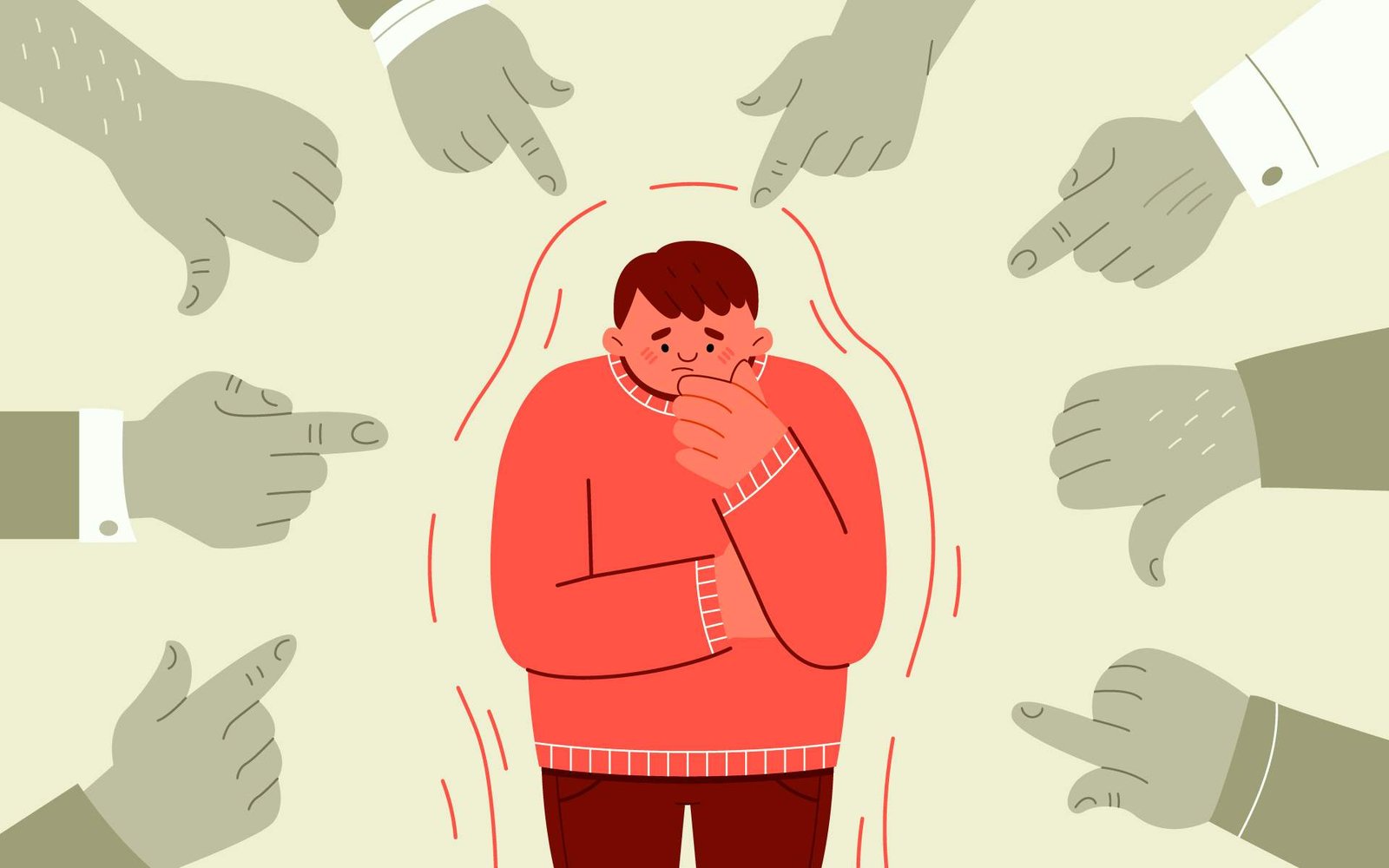
When we live with chronic illness or pain, it can often feel like we are stuck on high alert—and with good reason. The body is designed to detect danger and mobilize quickly against threat. We have survived across generations of human evolution because of this finely honed system. It’s an incredible gift—until it’s not.
Pain, stress, illness, and other issues can send signals throughout our body communicating that something is profoundly wrong. It’s our system’s way of saying, “Hey! Stop! Please take care of me.”
“Maladaptive neuroplasticity” happens when the body and mind begin to reorganize in order to address the ongoing threat that is occurring. Unfortunately, we don’t always reorganize in a way that helps us long-term or feels particularly good. To our brain and body, it’s about one thing and one thing alone: our survival.
But in chronic conditions occurring over time, this repeated activation can make our nervous system extra sensitive to threat. Our body’s warning system begins to fire over and over, responding to even small changes in posture, environment, or life conditions as if they were a five alarm fire. This is part of why hypnosis and meditation have been shown to be highly supportive for chronic illness and pain, when used in complement with appropriate medical care.
You’ve probably heard the term “neurons that fire together wire together,” meaning that when we repeat anything over and over, we build strong neural pathways that operate automatically. This trait is fantastic in so many situations: we effortlessly remember how to drive a car, we see the face of someone we love and a feeling of warmth washes over us, we wake up and go to our meditation cushion because it’s a habitual part of our routine.
Our brains are incredibly efficient. They want to save energy, so they create shortcuts to do so. This is often helpful, but when it comes to chronic pain and illness, this can result in heightened sensitivity, and what some researchers call maladaptive neuroplasticity.
What does that mean for us? Essentially, the body and mind begin to reorganize in order to address the ongoing threat that is occurring. Unfortunately, we don’t always reorganize in a way that helps us long-term or feels particularly good. To our brain and body, it’s about one thing and one thing alone: our survival.
Over time, an inner algorithm is created in the brain, body, and nervous system: We get exposed to a trigger or feel the beginning of the symptom and automatically, a cascade of chemical, physiological, and emotional responses fire up within a fraction of a second. Emotions are heightened, thought loops start spinning, discomfort worsens, and the neural pathways connecting things like fear, grief, hopelessness, frustration, and physical symptoms grow stronger.
The wonderful thing about neuroplasticity is that you have agency over more of this process than you might imagine, especially when it comes to navigating habitual thoughts and reactions, distress, and overwhelm.
Neuroplasticity Means You Have More Power Than You Know
It’s understandable that these processes can feel big, automatic, and beyond our control, but that’s not the full picture. The wonderful thing about neuroplasticity is that you have agency over more of this process than you might imagine, especially when it comes to navigating habitual thoughts and reactions, distress, and overwhelm.
This is where mindfulness and hypnosis can offer real support. Both practices help you notice when the alarm bells start going off, so that you can interrupt the cascade of reactivity and learn to steer it in a different direction. Through relaxation, breath, focused attention, visualization, and active work with the subconscious mind, you can begin to support the nervous system and create space where triggers, symptoms, and recurring attitudes and thoughts can be met and worked with.
The more you practice cultivating and resting in qualities like safety, compassion, kindness, and relaxation, the more hardwired and automatic they become. Just like you’ve strengthened the muscles of stress and overwhelm, you can strengthen the muscles of ease, trust, and permission to rest and take care of yourself.
One of my clients has described this process as being able to access her “own little sanctuary”—a place where even in the midst of years-long, complex illness, she is able to rest, remember her wholeness, and feel relief. With that, her sleep has significantly improved along with her overall sense of hope, personal power, and wellbeing.
Addressing the Whole Person
Of course, this does not mean thinking we can just “meditate away” a condition that needs treatment. These practices are best done in conjunction with medical care, because they allow us to navigate the full spectrum of our experience—from stress around doctor’s appointments and treatment protocols, to changes in our relationships and career, to celebrating the wins and progress when they do come. Living with pain and illness touches our bodies but also our identities, spirituality, and outlook on the world. These practices can allow us to show up for all parts of it.
Adding meditation and hypnosis to our chronic illness care regimen can reveal that we have more power than we think: the ability to interrupt familiar thought loops, to create moments of relief and inner safety, and even to reshape the emotions, beliefs, and patterns that can make life with chronic illness feel harder than it already is.
Adding meditation and hypnosis to our chronic illness care regimen can reveal that we have more power than we think: the ability to interrupt familiar thought loops, to create moments of relief and inner safety, and even to reshape the emotions, beliefs, and patterns that can make life with chronic illness feel harder than it already is.
This is so powerful because in the type of mind states available through meditation and hypnosis, the mind becomes more flexible, creative, and adaptive. In fact, early research suggests that mind-body practices like meditation and hypnosis may influence brain-derived neurotrophic factor (BDNF), a molecule linked to neuroplasticity, learning, pain modulation, and the nervous system’s capacity to adapt in response to stress.
When we add these practices to our toolbox, we are partnering with the subconscious mind so that we can remodel our relationship to illness from the inside out.