
Are Shame and Guilt Bad—Or Do We Just Need a Different Relationship With Them?
In the new Apple TV series, Margo Has Money Problems, Michelle Pfeiffer, in a comeback performance, plays a mom, Shyanne, who got pregnant after a one-night stand with a married man. Now her daughter, Margo, whom she raised on her own, has herself given birth to a child with a married man who’s not in the picture.
At one point, in a parking lot outside the chain restaurant where Margo works, Shyanne has a total breakdown. Having failed at her first stint babysitting her grandchild, she hands over the boy to Margo and shouts that she is a horrible grandmother just as she was a horrible mother: “I wish I could be a better person, but I’m not!…and I will not be judged, by him or anyone else.”
As much as we may recoil from shame and guilt, these emotions are a part of being human. Yet so many of us, maybe most of us, handle them very poorly.
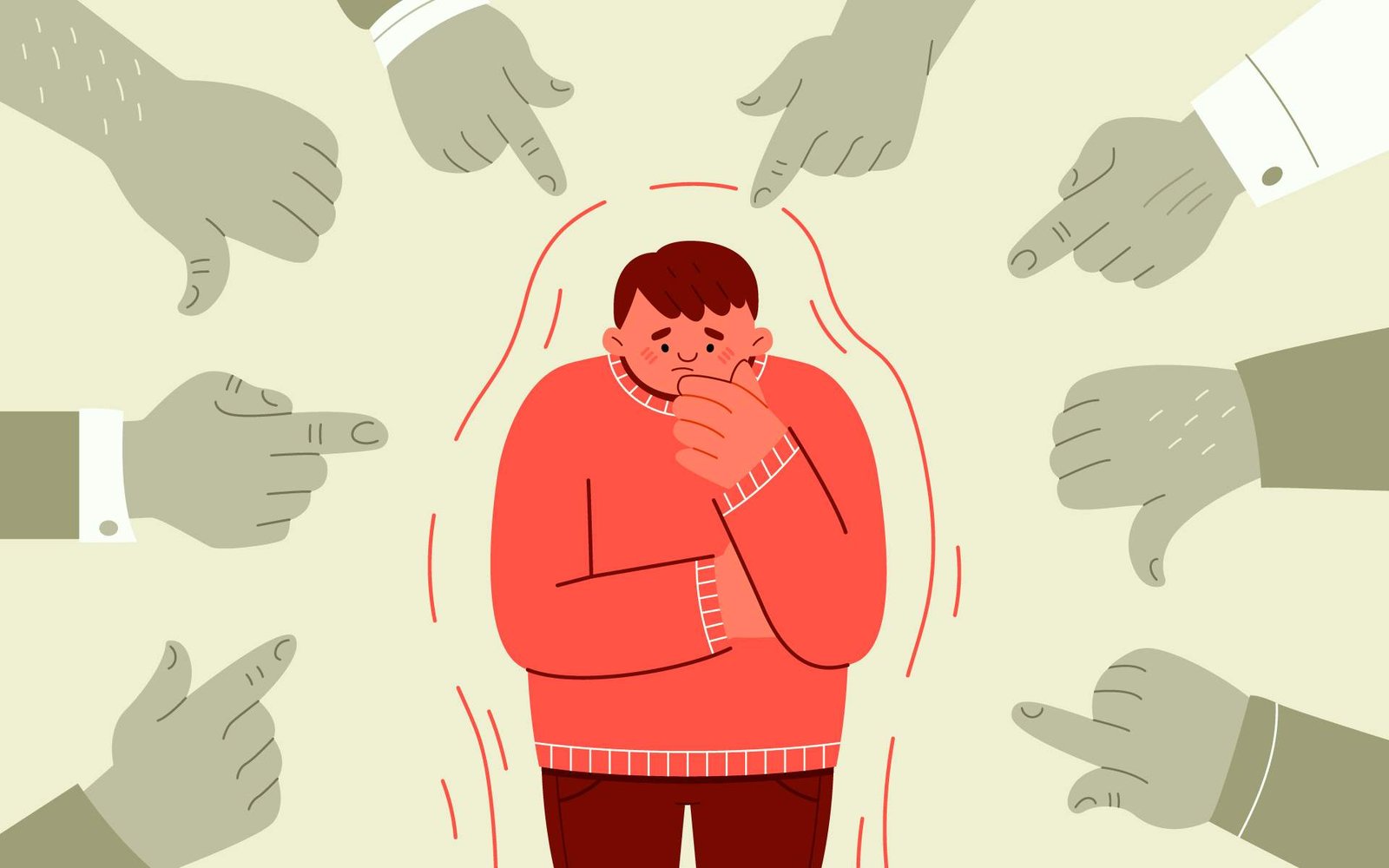
This is a classic shame spiral. We start feeling bad about something we’ve done or are unable to do, then leap straight to the appraisal—not of our wrongdoing or inability, but of ourselves: We are bad and we want to hide away because of it, lest we be judged even more.
Guilt and shame are dirty words, painful words. As much as we may recoil from them, though, these emotions are a part of being human. Yet so many of us, maybe most of us, handle them very poorly. We beat ourselves up psychologically. We beat others up verbally (and in extreme cases physically) in an effort to inflict guilt and shame and retribution for wrongdoing. At a global level, wars are fought and people die out of vengeance—simply because we have so much trouble dealing with how to respond when we do something wrong or are wronged.
Taking a Closer Look at Guilt and Shame
Yes, these are tricky emotions, and this is likely not the first time you’ve considered them, but it never hurts to contemplate the thornier sides of life with a fresh mind. If you meditate, you spend your life doing that. Each time, hopefully, with a more open mind.
To begin, it helps to distinguish guilt and shame.
Meditation teacher Caverly Morgan expresses the difference succinctly in her book The Heart of Who We Are: “When you feel guilty, there’s a judgment that something you’ve done is wrong. When you feel shame, you believe that your whole self is wrong.”
Is it realistic to think that an emotion that’s been around as long as anyone can imagine is just going to be removed from the human toolbox?
Brené Brown, author of the groundbreaking book on human vulnerability, Daring Greatly, says on her website that while guilt is “adaptive and helpful” and can spur accountability for our actions, shame, “the intensely painful feeling or experience of believing that we are flawed and therefore unworthy of love and belonging” is neither helpful or productive. She goes on to “call for an end to shame as a tool for change.”
I’m a huge Brené Brown fan, so I get where she’s going. Shame is so damaging. It ruins whole lives and families (witness Shyanne’s breakdown in the parking lot). And it is quite often wildly ineffective in bringing about change. I’m sure we’ve all tried to shame someone into better behavior only to have it backfire.
Yet, is it realistic to think that an emotion that’s been around as long as anyone can imagine is just going to be removed from the human toolbox?
If They’re Not Going Anywhere…How Do We Learn to Live With Them?
Other researchers are not quite as ready to completely eliminate shame from the spectrum of human responses. Rather, they simply caution us to notice the ways our responses are so very often maladaptive.
In his recent book, The Power of Guilt, developmental psychologist Chris Moore says we have guilt in the first place to motivate us to repair harms and heal relationships. Shame, he goes on to say, by contrast, tends to make people shy away from interacting with others, leaving a relationship damaged, perhaps permanently. This tendency to descend into a deep dark place makes shame into a dangerous drug.
Psychologist June Tangney, co-author of Shame and Guilt, however, admits to being shame-prone herself and counsels that it’s possible to be resilient in the midst of shame and divert ourselves from spiraling. In other words, we might be better off accepting that shame is going to emerge and figure out how to work with it more effectively.
Our problem with shame, then, may not be that as a group we have no need for it, but rather we have a bad habit of taking it way too far.
Evolutionary psychologists like Dacher Keltner see shame as part of a family of human responses known as the self-conscious emotions—guilt, shame, pride, and embarrassment—that all play a role in regulating social behavior. According to these students of human behavior, “…shame serves the important function of appeasing observers of social transgressions, a function which reestablishes social harmony.” In other words, publicly blushing when you’ve done something wrong signals to others that you know you’ve made a mistake and you care. To say, for example, that someone “has no shame,” means they don’t care what others think about their behavior. Think of certain world leaders who seem to do and say whatever they want, regardless of how immoral or illegal it is, and without concern for the harm those actions cause.
Our problem with shame, then, may not be that as a group we have no need for it, but rather we have a bad habit of taking it way too far. A very little bit of shame can go a long way. Even a little bit too much can be destructive. The lesson then, seems to be: Shame is likely to be a part of life, respond appropriately and in proportion to that feeling, and focus entirely on action in the future.
In other words: Do not beat yourself up. Meet the feeling, but don’t build a home there.
Focusing on Repair
Knowing how guilt and shame tear at the heart and sever the bonds that hold communities together, spiritual traditions developed forms of atonement—honest acknowledgment of harm, repairing the harm if possible, and vowing not to repeat it.
Catholics have the confessional and the season of Lent. Judaism has Yom Kippur, the day of atonement. In Islam, tawba, repentance, is practiced continuously, but especially in the last ten days of Ramadan. Twelve-step programs devote several steps to atonement and making amends. While the place of confession in Buddhism is little known, the ancient code of monastic discipline calls for regular acknowledgement of wrongdoing, including in some traditions the collective wrongdoing that has occurred “since beginningless time.”
It’s not necessary to engage in one of these traditions to develop a healthy relationship with guilt and shame—but it can certainly help to examine our own experience to see how we might be easier on ourselves and on others while still addressing the feelings that emerge when things go wrong.
Guilt—that uneasy feeling about doing something wrong or not fully showing up—can be a motivator. But as all the researchers, teachers, and commentators here note, it too can gnaw away at us and morph into shame. Fortunately, a practice like mindfulness can help interrupt the descent into needless shame and help us focus on our future actions. In mindfulness practice, we can begin to see what’s happening more clearly and as the ancient prayer goes, forgive our trespasses as we forgive those who trespass against us.