
Dry Scalp vs Dandruff: Symptoms, Causes & Best Treatments (Expert Guide)
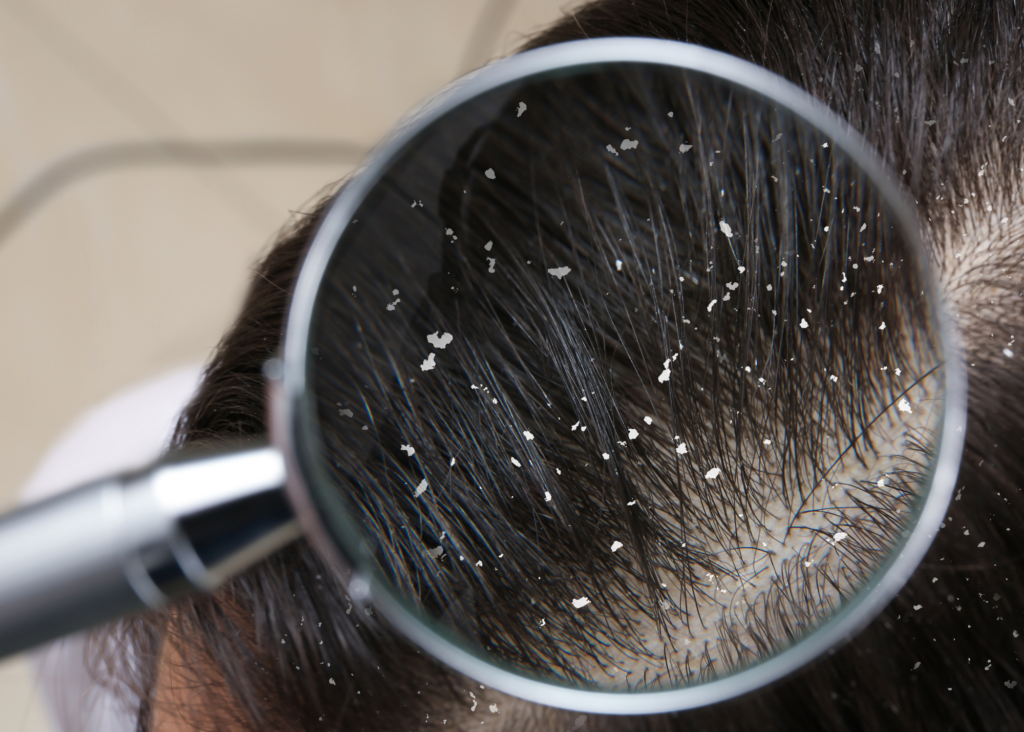
There are definitely more natural ways to support your scalp health!
Is it summer, yet you’re noticing a dusting of white flakes in your hair or on your shoulders? Or maybe your scalp feels red and irritated without any sunburn in sight.
These symptoms often point to either dry scalp or dandruff, two commonly confused conditions with very different root causes. In this post, we’ll break down how to tell the difference and how to treat each one naturally.
*Affiliate Disclosure: I do have affiliate links in this blog post. If you purchase something from my link, I will receive a small commission from the sale. This comes at no cost to you, but is paid by the company. I do not take becoming an affiliate with any company lightly. If I am, it’s because I believe in the company and their product.
*Suzi (Gurl Gone Green) is a participant in the Amazon Services LLC Associates Program, an affiliate advertising program designed to provide a means for sites to earn advertising fees by advertising and linking to amazon.com.
What is a dry scalp?
Dry scalp as the name infers is a loss of moisture in the skin that can produce an itchy and flaky scalp. Those little white flakes are the result of an irritated and thirsty scalp.
Causes
Dry scalp can be caused by age, dehydration, extreme heat or cold with low humidity, skin conditions, and most commonly, frequent hair washing and hair products that contain harsh chemicals.
Symptoms
Little white flakes along with dry hair and an itchy scalp are the common symptoms of a dry scalp condition. Whereas dandruff is identified by bigger white flakes along with a red, oily scalp.
Treatment
Pinpointing the underlying cause of your dry scalp is key to choosing the most effective treatment. If you live in a dry climate or have an underlying skin condition, using a humidifier can help increase moisture in the air and in turn, support scalp hydration.
If frequent washing is contributing to dryness, consider washing every other day (or less) and switch to a gentle, hydrating shampoo free of harsh detergents, fragrances, and alcohol.
To further support moisture and barrier repair, incorporate a scalp treatment or deep conditioning mask with ingredients like aloe vera or jojoba oil. Aloe vera helps soothe and hydrate the scalp, while jojoba oil supports the skin’s natural barrier and mimics its natural oils.
Prevention
Dry scalp can usually be avoided by:
- Using a gentle, non-stripping shampoo
- Rinsing with warm but not overly hot water
- Avoiding styling products that contain alcohol
- Drinking water and consuming an adequate amount of healthy fats (no seed oils)
Best Shampoo for Dry Scalp
- Innersense Organic Beauty Hydrating Cream Hairbath- This shampoo suds up well and feels so luxurious. The smell is amazing with hints of vanilla and sage that come together in such a beautiful way. Your hair will feel moisturized just using the shampoo on its own. This is the perfect shampoo for someone with thick, curly hair that is dry and needs some serious hydration.
- Innersense Organic Beauty Pure Harmony Hairbath– This is a great shampoo for adding moisture back to the scalp. It helps to bring balance. It isn’t as heavy as their Hydrating Cream Hairbath, making it a great option for those who need something a little less heavy overall. Oftentimes it’s an imbalance with dry scalp and this can help to rebalance it.
- Innersense Organic Beauty Hair Renew Scalp Hairbath– This is another great option from Innersense. This is their shampoo specifically made for the scalp. Not only does it add moisture to the scalp, but it also helps to calm and soothe the scalp with Comfrey Leaf and Japanese Swertia extracts. This is perfect for sensitive scalps as it has no essential oils, and is hypoallergenic.
Other Recommended Products For Dry Scalp
- Aloe Vera Gel– Aloe vera gel has been shown to help calm dry scalp and soothe it. Since aloe vera is a humectant it can draw water to the skin. Apply the aloe vera gel to the scalp and let it sit for 30 minutes before rinsing off.
- Avoid Hot Showers- Hot water can exacerbate the problem even more. Washing your hair with lukewarm water and washing your hair less overall is ideal.
- Innersense Organic Beauty Harmonic Treatment Oil- This oil is going to nourish and hydrate. It’s filled with jojoba seed oil, evening primrose and certified organic tamanu oil, giving it a silky texture that readily absorbs into the skin to replenish moisture, soothe dryness, and deliver essential vitamins.
- Innersense Organic Beauty Detox Mask– I mentioned this above, but this is a great mask to help purify the scalp and remove buildup. I like doing this once a week to keep my scalp in check and my hair free from excess products. Since dry scalp can be a sign of build up, this is a great product to use to remove build up.
- Innersense Organic Beauty True Enlightenment Scalp Scrub– This is another product that works great at helping to clarify the scalp and stimulates it as well. It has a peppermint scent that feels so soothing and refreshing on the scalp. It has Hawaiian Red Salt, a mineral rich exfoliant to gently buff away dead skin, buildup and impurities. The scalp feels so revitalized after using this.
For a detailed breakdown check out Dry Scalp Natural Remedies for a Healthy Scalp.
What is dandruff?
Dandruff because it produces white flakes on the scalp is mistakenly thought to be the result of dry skin, but it’s actually the opposite – too much oil. Dandruff is considered the mildest form of seborrheic dermatitis, a common skin condition that exists on a spectrum, with dandruff representing the least inflammatory end.
Causes
Dandruff is thought to be caused by overactive sebaceous glands and fungal growth, specifically the fungus, Malassezia sp. However, stress can also play a role in scalp health as well.
Symptoms
Common symptoms of dandruff are white flakes and a red, itchy scalp usually accompanied by an oily scalp.
Treatment
Medicated shampoos are often the go-to treatment for dandruff because they help reduce excess oil and control fungal overgrowth on the scalp. However, the active ingredients in mainstream anti-dandruff shampoos and conditioners are not what I would classify as “clean” ingredients.
For example, zinc pyrithione has been banned in the European Union since 2022 due to concerns over it being an endocrine disruptor. Another common ingredient, ketoconazole is considered safe in topical form, however its oral form is rarely prescribed today due to the risk of liver toxicity.
For most cases, prevention strategies can also serve as effective treatment for mild or early dandruff. However, if dandruff is severe or persistent, it’s best to consult a doctor or dermatologist, as it may reflect underlying inflammation that requires a more comprehensive, whole-body approach.
Prevention
Supporting scalp health can help prevent an outbreak of dandruff.
- Start by limiting the amount of heavy styling products used.
- Incorporate a gentle shampoo that contains tea tree oil as it has anti-inflammatory and anti-microbial properties.
- Rinse hair with apple cider vinegar 1x/week to help remove product buildup and restore the scalp’s natural pH balance. It can also serve as a mild microbial to keep yeast at bay.
- Support scalp health with supplements such as B vitamins, D3, Zinc, and Omega 3 fatty acids. B vitamins support cell turnover and thus skin health, vitamin D3 can help slow the growth of skin cells, Zinc can support skin integrity and oil regulation, and Omega 3 fatty acids can support healthy inflammatory processes.
Best Shampoo for Dandruff
- Innersense Organic Beauty Hair Renew Scalp Hairbath– This is a great option from Innersense. It is their shampoo specifically made for the scalp. Not only does it add moisture to the scalp, but it also helps to calm and soothe the scalp with Comfrey Leaf and Japanese Swertia extracts. This is perfect for sensitive scalps as it has no essential oils, and is hypoallergenic. This is a mild dandruff shampoo. It is not a true medicated treatment.
- Recuren Plus Balanced Scalp Shampoo- This shampoo is specifically designed to care for the scalp. It helps with itchy scalp, flaking, dandruff, folliculitis, mild psoriasis and seborrheic dermatitis. It has salicylic acid which helps to break down flakes and dandruff, and unclog follicles. It also contains Piroctone Olamine, which targets yeast and is a gentler approach to zinc or ketoconazole. Rosemary is another ingredient in the formula that helps to stimulate the scalp and support circulation. It’s also mildly antimicrobial. What I love about this formula is that the ingredients are minimal but super effective.
- Briogeo Scalp Revival Dandruff Relief Shampoo– This shampoo is more of a medicated shampoo. It has salicylic acid which helps to treat flakes, it also has hydrating ingredients that help to nourish the scalp too. I like that it uses charcoal as well to remove product build up and impurities. A lot of traditional dandruff shampoos are so harsh, that they actually cause more damage in the long run. This does have fragrance in it, however, their fragrance is a combination of safe synthetics and natural fragrances from plant sources. They use these they state on their site to replace conventional fragrances that may contain phthalates. While I don’t typically recommend fragrance in products, I do think this is a step in the right direction and if you’re dealing with dandruff might be a good option for a season.
- Zumahome Organic and Wildcrafted Shampoo- This shampoo helps to support the scalp microbiome. This in turn helps to balance flakes and irritation. It is third party tested and hydrates with plant based antioxidants. What I like about this formula is that it uses soap nuts! Something nature provides for us.
Looking for a shampoo recommendation? Check out the Best Non-Toxic & Natural Shampoo & Conditioners (Hairstylist Recommended)!
Other Recommended Products For Dandruff
- Tea Tree Scalp Scrub- This can help to detoxify the scalp, loosen flakes and give the scalp a reboot. This is good for sensitive scalps.
- Vitalaffair Tea Tree Oil Blend- This is a blend of oils that comes with a comb on one end that can help to balance the scalp, and also promote hair growth too.
- Innersense Organic Beauty True Enlightenment Scalp Scrub– This is another product that works great not only for dry scalp but also for dandruff. It can help to clarify the scalp and stimulate it. It has a peppermint scent that feels so soothing and refreshing on the scalp. It has Hawaiian Red Salt, a mineral rich exfoliant to gently buff away dead skin, buildup and impurities. The scalp feels so revitalized after using this. This is a more gentle approach to dandruff. Innersense Organic Beauty focuses on balancing the scalp microbiome, instead of blasting it like conventional methods.
DIY Dandruff Treatments
There are also some DIY treatments that you can use to target dandruff. Things like tea tree oil, raw honey and aloe vera mask are all great ways to naturally help treat dandruff.
- Tea Tree Oil- This is antifungal and microfungal, this helps to target itch and flakes. Use 1 drop of tea tree oil, to 1 tsp of carrier oil like jojoba oil. Mix together and rub on the scalp. Apply to flaky areas and leave on for 20-30 minutes and then shampoo as usual.
- Raw Honey- Mix 1 TBS of raw honey + a little warm water. This is naturally antifungal and hydrates without feeding yeast. Apply to damp scalp. Leave on for 20-30 min, and shampoo.
- Aloe Vera Mask- This helps to soothe flakes, also lightly hydrating and is lightly antifungal. Apply pure aloe to the scalp and leave on for 20 minutes.
Dry Scalp vs. Dandruff: Key Differences
| Category | Dry Scalp | Dandruff |
| Root Cause | Lack of moisture in the skin | Overgrowth of yeast (typically Malassezia) and excess oil |
| Skin Type | Dry skin overall (often affects face, hands too) | Oily or combination scalp |
| Flakes Appearance | Small, white, dry flakes | Larger, yellowish or oily flakes |
| Scalp Condition | Tight, dry, possibly cracked | Greasy, irritated, sometimes inflamed |
| Itchiness | Mild to moderate | Moderate to severe |
| Oil Level | Low (scalp lacks natural oils) | High (excess sebum production) |
| Common Triggers | Cold weather, harsh shampoos, dehydration | Hormonal changes, stress, poor scalp hygiene |
| Associated Conditions | General dry skin | Often linked to Seborrheic Dermatitis |
| Flakes Location | Typically only scalp | Scalp, eyebrows, sides of nose, ears |
| Best Treatment Approach | Hydrating shampoos, oils, gentle care | Anti-dandruff shampoos with anti-inflammatory and anti-microbial ingredients such as tea tree oil |
| Severity Pattern | Seasonal (worse in winter) | Can flare unpredictably |
Is it necessary to see a doctor for dry scalp or dandruff?
Dry scalp and dandruff can typically be managed with at-home remedies. However, because dandruff is often a sign of underlying inflammation, it’s a good idea to see a dermatologist if symptoms persist or worsen after about a month.
If you liked this post, checkout these other posts: