
Perimenopause Skin Changes: How Hormones Affect Your Skin (And What Helps Naturally)
Just when you feel like you’ve nailed your skincare routine, perimenopause can start to show up in your skin. At first, you may not realize that increased dryness or the sudden onset of breakouts is the result of shifting hormones.
Restore your skin’s balance and glow by understanding how hormones affect the skin and what can be done to naturally counteract these hormonal shifts during perimenopause.
*Affiliate Disclosure: I do have affiliate links in this blog post. If you purchase something from my link, I will receive a small commission from the sale. This comes at no cost to you, but is paid by the company. I do not take becoming an affiliate with any company lightly. If I am, it’s because I believe in the company and their product.
*Suzi (Gurl Gone Green) is a participant in the Amazon Services LLC Associates Program, an affiliate advertising program designed to provide a means for sites to earn advertising fees by advertising and linking to amazon.com.
What is perimenopause?
Perimenopause is the transitional phase leading up to menopause, when our body gradually shifts out of the reproductive years and hormone levels begin to fluctuate.
Symptoms
Perimenopause symptoms can include:
- Irregular periods
- Hot flashes
- Night sweats
- Sleep disturbances
- Weight gain
- Dryness
- Thinning skin
- Hair loss
- Mood swings
- Brain fog
- Increased anxiety
What Causes Perimenopause Skin Changes?
Our skin relies on our reproductive hormones so when our hormones go on a rollercoaster ride in perimenopause so does our skin. Hormones regulate collagen production, skin hydration, metabolism, and stress response.
How Hormones Affect Your Skin During Perimenopause
Estrogen
Estrogen is the main hormone that affects skin health and when it fluctuates, it is evident in your skin. Estrogen supports collagen integrity, cellular repair, barrier function, and inflammatory balance. Changes in estrogen levels can manifest as dry skin, hyperpigmentation, acne, and sometimes eczema.
Progesterone
Progesterone supports skin by helping regulate oil production, calming inflammation, and contributing to overall skin balance. However, during perimenopause, as progesterone declines, this can lead to increased sensitivity, dryness, and a relative rise in androgen effects contributing to breakouts, irritation, and a less stable skin barrier.
Testosterone
While the main players in perimenopause are estrogen and progesterone, as the balance of these hormones shift, testosterone can become more dominant. Testosterone helps support skin by stimulating oil production, maintaining skin thickness, and contributing to overall structure and resilience. When it’s out of balance it can lead to increased oiliness, clogged pores, and hormonal acne.
Cortisol
Cortisol is your body’s primary stress hormone, released by the adrenal glands as part of the HPA axis. It’s essential for survival, but if it’s always elevated, it can be damaging to the skin. Cortisol plays a beneficial role in skin health by helping regulate inflammation, support early wound healing, and maintain a natural daily rhythm that allows skin repair to occur at night. It accelerates collagen breakdown, weakens the skin barrier, increases inflammation, and impairs repair, leading to drier, more sensitive, and faster-aging skin.
Common Skin Changes In Perimenopause
Some of the common skin changes you may experience or perhaps have already experienced are:
- Dry, itchy skin
- Signs of sun damage such as age spots and hyperpigmentation. Sun damage can also make melasma worse.
- Acne
- Loss of volume and definition. Wrinkles may make an appearance at this time.
How To Support Skin Naturally In Perimenopause
1. Support From The Inside Out
Restoring declining hormone levels can sometimes be the best option for total relief. However, it’s important to talk to your doctor and do hormone testing before jumping into hormone therapy.
2. Lifestyle Support
Increase Protein Intake
Skin integrity depends on amino acids and micronutrients that support collagen synthesis. Aim to consume half of your body weight in grams of protein and more specifically, front load your day with 25-30grams of protein. If you are in need of a way to increase protein intake, check out the best protein powders here.
Stabilize Blood Sugar
Blood sugar spikes accelerate glycation, which damages collagen and elastin. Build meals around protein, fat, and fiber and avoid snacks with refined sugar. Walking for 10-15 min after eating can minimize glucose spikes.
Stay Hydrated
Estrogen can decrease sebum production and the skin’s natural barrier. Keeping your body hydrated and lubricated on the inside, will support the lipid barrier and manifest in more hydrated skin on the outside. Start consuming more salmon and sardines for their Omega-3 fatty acids and trace minerals such as magnesium and potassium for their cellular hydration.
Optimize Sleep
It may sound cliche to “get more sleep” but sleep can truly be transformative because skin repairs itself during deep sleep. Make 7-9 hours of sleep a priority each night. Poor sleep can increase cortisol and the breakdown of collagen.
Strength Training
Muscle is a metabolic organ that improves insulin sensitivity and hormone balance. Aim for at least 3 strength training sessions each week. Check out my journey to gaining muscle and improving my health here.
Supplements
Vitamin C especially when paired with protein can increase collagen formation. Vitamin C can be taken as a supplement or through vitamin C rich fruits such as berries and citrus fruits.
Zinc and copper balance is also important for collagen synthesis and stabilization. Zinc can be found in foods such as oysters, red meat, and pumpkin seeds. Copper can be found in foods such as liver, dark chocolate, and sunflower seeds.
Collagen peptides are not a replacement for protein, but they can provide specific amino acids like glycine which signals skin cells to increase collagen production.
Omega-3 fatty acids can help compensate for the extra dry skin, inflammation, and collagen breakdown brought on by a lack of estrogen. Fatty fish such as salmon and sardines are a good food-first option or fish isn’t your thing, take an omega fish oil.
Vitamin E can also be a great assist to your skin when estrogen declines by preventing skin damage, putting the brakes on aging, and boosting skin repair.
Reduce Inflammatory Load
Inflammation can increase the breakdown of collagen and worsen conditions like acne or rosacea. Ultra-processed foods, seed oils, and excess alcohol even food allergies or sensitivities such as with gluten or dairy can increase inflammation.
This is why it’s important to limit ultra-processed foods or foods that trigger allergies while at the same time increasing gut-supportive foods such as fermented vegetables and polyphenol-rich foods such as berries, olive oil, and green tea.
Quit Smoking
Smoking is fuel for aging skin, so if you want better looking skin, make every effort to quit smoking.
Quit or Reduce Alcohol Intake
Alcohol dehydrates skin so limiting alcohol intake can help your skin maintain hydration and reduce inflammation.
3. Clean Beauty Ingredients To Include In Your Skincare Routine
Hyaluronic Acid
Hyaluronic acid is a naturally occurring compound that binds and retains water within the skin, enhancing hydration, improving elasticity, and helping to smooth the appearance of fine lines and wrinkles. Check out the best hyaluronic acids here!
Vitamin C
Supports collagen production, brightens uneven skin tone, and protects the skin against oxidative stress. If you are looking for a clean beauty Vitamin C product, check out my favorites here!
Ceramides
Rebuild the skin’s lipid barrier, reduce water loss, and improve resilience.
Niacinamide
Improves barrier function, reduces redness and blotchiness, and helps with pore appearance and oil balance.
4. Skincare Ingredients To Avoid
Harsh Surfactants
Sodium lauryl sulfate (SLS) and Sodium laureth sulfate (SLES) are surfactants that can strip the skin of natural oils, disrupt the lipid barrier, and worsen dryness and even cause irritation.
Alcohol
Alcohol can dehydrate skin and weaken the lipid barrier and increase water loss. Some examples of alcohol in skincare products include: Alcohol denat, Ethanol, Isopropyl alcohol.
Synthetic Fragrance And Essential Oils
Essential oils aren’t inherently bad, however, fragrance of any kind can be a source of irritation and worsen redness or rosacea during perimenopause when skin tends to be more reactive.
Sample Skincare Routine
**You can really intermix these for your morning or evening routine depending on skin type. You might not want an oil for the day time but for at night you may need some additional support- so an oil is great. Also, no need for a facial sunscreen at night.
Cleanser
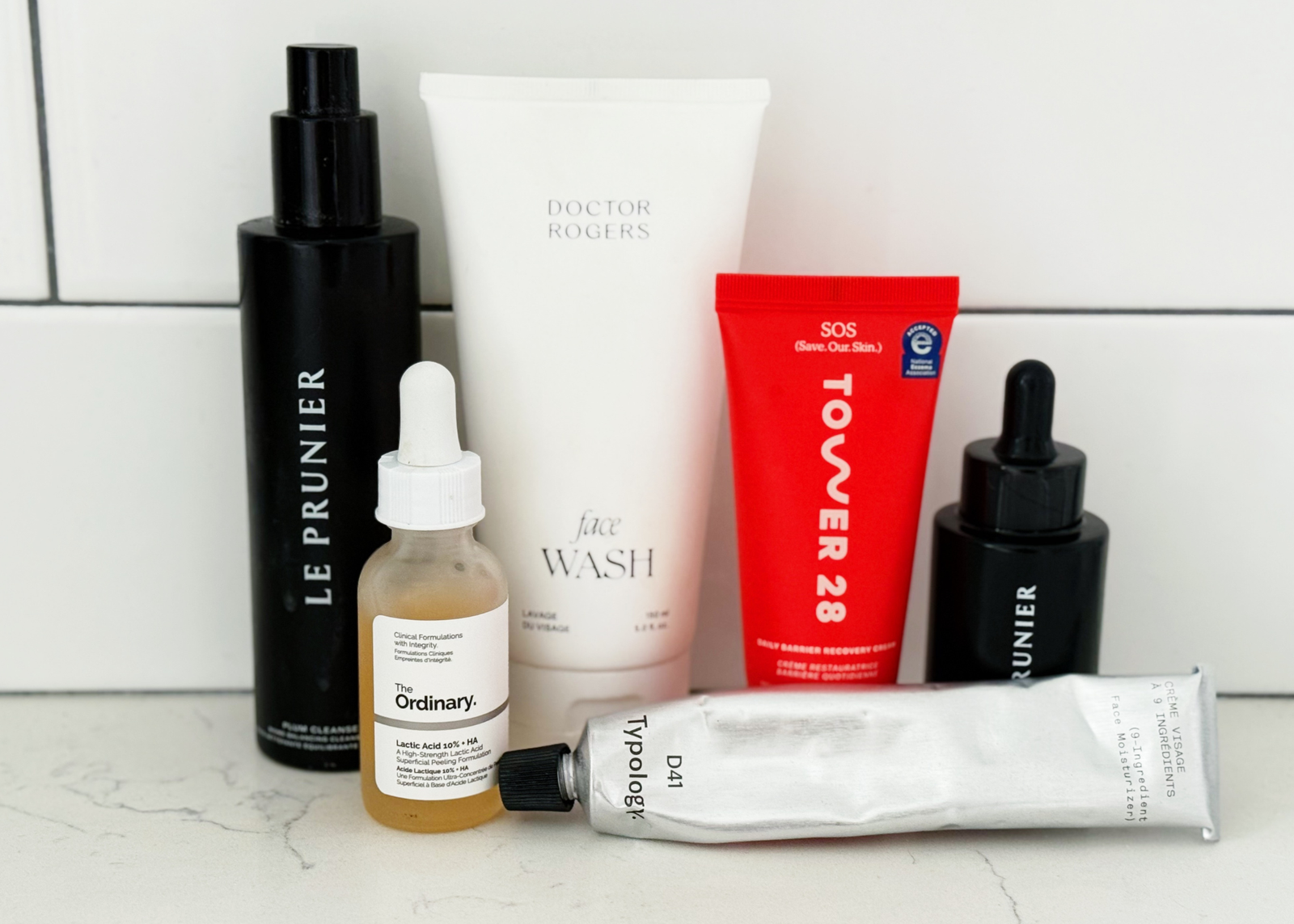
You could even skip the cleanser if you feel like your skin easily gets irritated and just splash your face with water and continue with your skincare routine. A simple gel cleanser is great to start the day. If you have really dry skin, an oil cleanser would be a good option. You want to avoid anything that leaves your skin feeling stripped. I like this gel cleanser– simple ingredients, fragrance free and supports barrier function. I also like this option for an oil cleanser (Use code SUZI15 to save 15% off). It’s a great oil cleanser that doesn’t strip skin, doesn’t contain any essential oils or fragrance and had nourishing oils like plum oil, and jojoba.
Mist/Serum
This is important because we lose a lot of moisture in our skin as our hormones fluctuate. Adding in hydration can really set your skin up to thrive. Ilike this barrier defense mist. It’s actually loaded with ingredients that will draw water into the skin like glycerin and hyaluronic acid. It also has inulin + sea water extract this combo helps to support the skin microbiome, while also mineral balance. It does have some neroli in it but neroli is anti-inflammatory and calming. I also like using just a hyaluronic acid. This helps draw water into the skin. This particular product is a serum and also contains tremella mushroom which is a natural form of hyaluronic acid and kakadu plum. Kakadu plum helps to brighten and even skin tone. It does have some essential oils in it, but wanted to mention it if you can tolerate them. It’s such a budget friendly serum and well loved! If you’re wanting a hyaluronic serum that’s a bit more basic and just has rose water and pomegranate extract. I love how this plumps up my skin.
Moisturizer
I like to keep things simple with moisturizer too. I have two favorites. The first is a truly barrier supportive moisturizer. So many moisturizers actually don’t support the barrier. Many formulas rely heavily on occlusives (like silicones or certain emollients) that create that smooth, soft feeling, but they don’t actually feed the skin or help it function better. Our skin barrier needs specific components to stay strong. Things like fatty acids, cholesterol, and ceramides.
A lot of moisturizers skip this and just add water + fillers. Without true barrier support, your skin can actually become more dry, reactive and prone to breakouts. This truly supports the barrier and is free of botanicals that could cause irritation. My skin loves how it feels and I love that it’s not irritating it. This one is especially great if you’re a bit drier. Great for sensitive skin- it’s so calming and soothing. Get it here. Another option for a basic moisturizer is this one. It’s a 9 ingredient moisturizer that is super basic, botanical free, fragrance free and not too heavy. A great morning moisturizer if you don’t like anything heavy. Also, great for summer when skin feels more plumped up from the heat and humidity. This is a slightly heavier face cream for night that has squalane, niacinamide- a very barrier supportive cream.
Exfoliant
I love this simple lactic acid for an exfoliant. It’s basic and simple. It helps with dullness and uneven skin tone.
Facial Oils
This oil is a single ingredient oil (Use code SUZI15 to save 15% off) and great for at night when you want something a little extra on your skin. It’s so nourishing on it’s own. It’s especially great for extra dry skin types. This is another minimal ingredient oil that is rich and delivers what skin needs when dealing with hormones. It is rich in essential fatty acids which help with fine lines, dryness and uneven skin tone. It also contains antioxidant vitamin E that helps to support skin repair.
Facial sunscreen
This one is a skincare first sunscreen. It is moisturizing, but also great for sensitive/hormonal skin. I love how it goes on the skin.
If you are looking for more product recommendations, check out the best anti-aging skincare products here.
When To Consider Additional Support
You may need additional support if you notice any unusual skin changes such as increased sensitivity or reactive skin, persistent dryness, growths, hormonal acne.
If you liked this post and are looking for more ways to support your body, check out these past posts: