
Best Organic Clothing Brands for Kids
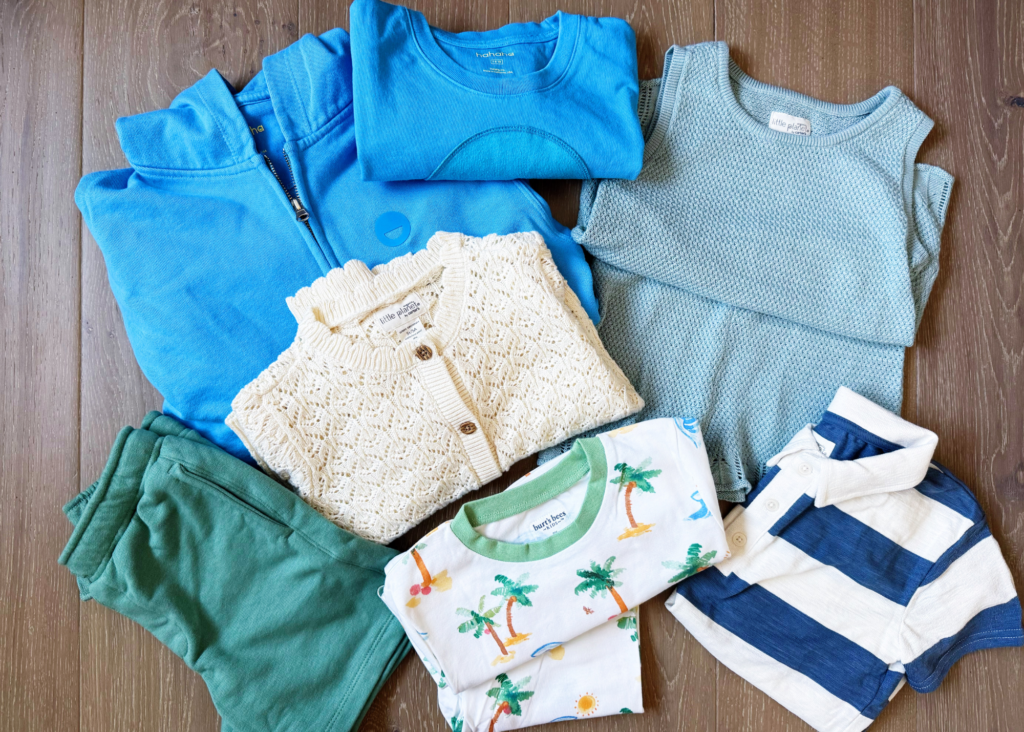
Are your kids growing like weeds? It can be tempting to fill the gaps in their ever-changing wardrobes with inexpensive fast fashion finds, but there are safer, longer-lasting options worth considering. To save you from endless searching, I’ve rounded up some of the best organic clothing brands for kids across a variety of categories.
For me, my children’s health is the biggest reason for choosing more organic clothing, the added durability is certainly a bonus. Conventional children’s clothing is often made from plastic-based synthetic fibers and may contain chemicals such as BPA, phthalates, heavy metals, and certain dyes capable of releasing carcinogenic compounds.
The brands below take a safer approach to materials and chemical standards throughout their supply chains.
*Affiliate Disclosure: I do have affiliate links in this blog post. If you purchase something from my link, I will receive a small commission from the sale. This comes at no cost to you, but is paid by the company. I do not take becoming an affiliate with any company lightly. If I am, it’s because I believe in the company and their product.
*Suzi(Gurl Gone Green) is a participant in the Amazon Services LLC Associates Program, an affiliate advertising program designed to provide a means for sites to earn advertising fees by advertising and linking to amazon.com.
Organic Kids Clothing Quick Picks
Best Overall Organic Kids Brand
Best Budget Organic Kids Clothes
Best Organic Pajamas
Best Organic Basics
Best Durable/High-Quality Brand
Best for Babies & Toddlers
Best Trendy Brand
Best Accessible Brands
Best Small Business Brand
Best for Tween and up Brand
Best Organic Neutral Brand
What makes clothing non-toxic?
Organic cotton, especially GOTS certified, will not be grown or processed with any synthetic pesticides or herbicides, GMO’s, chlorine bleach, formaldehyde finishes, azo dyes with carcinogenic amines, or toxic heavy-metal dyes.
Conventional cotton is often grown with a slew of pesticides, herbicides, GMO’s and chemical fertilizers. Processing can also involve chlorine bleaching, harsh dyes, resin finishes, formaldehyde-based softeners, anti-microbial coatings, fragrance or silicone finishing sprays.
Fabrics to avoid:
Chemical treatments to watch out for and avoid:
- Clothes labeled “flame resistant” contain flame retardants that are linked to hormone disruption and developmental issues.
- Clothes labeled “water-resistant” or “stain-resistant” usually contain perfluorochemicals, known as PFAS or forever chemicals that are linked to immune system disruption and developmental problems.
- Clothes labeled as “wrinkle-free” or “shrink-resistant” usually contain formaldehyde, which is a known carcinogen.
- Clothes that are brightly colored, especially if they are cheap, usually contain azo dyes, which can turn into carcinogenic aromatic amines, linked to bladder cancer, liver cancer, and leukemia.
- Clothes that have plastic prints or decals contain phthalates which are hormone disruptors.
Check out the 12 Best Organic Clothing Brands here!
What To Look For In Organic Clothing For Kids
GOTS (Global Organic Textile Standard)
This is a good overall certification to look for. This certification requires organic natural fiber and strict standards on toxic chemicals and dyes and a ban on GMO seeds. However, if you want to make sure you are not exposed to any plastic, check the label for materials used, because GOTS allows up to 5–10% synthetics for trims or stretch.
OEKO-TEX Certification
This is a rigorous third-party standard for ensuring fabrics are free from 100+ harmful substances including azo dyes, heavy metals, pesticides, formaldehyde, phthalates, and pH levels.
OEKO-TEX tests the finished product, whereas, GOTS is a guarantee of organic farming, ethical labor, environmental protection, and transparent sourcing.
Natural fibers
Includes: cotton, linen, wool, and hemp fabrics.
Low-impact or undyed fabrics
These are important to look for because they reduce exposure to harmful chemicals and thus safer for sensitive body parts. Aside from the physical health benefits, they also minimize environmental damage and increase production transparency.
Many conventional dyes contain heavy metals, petroleum-based solvents, formaldehyde resins, and azo dyes that release carcinogenic amines.
Undyed fabrics are as the name implies – undyed. While low-impact dyes fall into one of the following categories:
- Fiber-reactive dyes
- Plant-based dyes
- GOTS-approved dye systems
- OEKO-TEX certified dye houses
With dyeing being one of the most polluting aspects of the fashion industry, undyed and low-impact dyes reduce the amount of water and energy used and harmful chemicals generated and released into the environment.
Transparent sourcing
This includes third party certifications such as the GOTS and OEKO-TEX certifications. Another component of transparent sourcing is verifiable wage and labor data. The Fair Trade Certification and SA8000 or Sedex (SMETA) Audits are proof that factory workers are being treated fairly. Brands that are technology forward may also QR codes on tags so you can see the faculty where the clothing was manufactured.
Why invest in organic clothing for your kids?
Children are more vulnerable to chemical exposure than adults. Their skin absorbs substances faster and is more fragile than adult skin. Keep in mind that the same chemical dose that may be harmless to an adult, can have lasting effects on a child’s development especially if the exposure occurs at a critical window during their development.
Consider also that fast fashion generally doesn’t hold up as well as say a GOTS-certified organic cotton piece of clothing. Quality clothing items can be resold or passed on to another sibling which can’t be said of most cheap conventional clothing items.
Certified organic clothing is also better for agricultural workers, factory workers, and the environment.
How to Build a Non-Toxic Kids Wardrobe
Replace clothing items as they wear out, not all at once (unless you have extra money and are feeling ambitious). Start with the clothing items that touch your child’s skin and are worn for hours.
High priority clothing swaps:
- Pajamas
- Underwear and bodysuits
- Undershirts and base layers
- Socks
- Swimwear
Medium priority:
- T-shirts, leggings, everyday tops
- Pants and shorts
Lower priority:
- Outer layers, jackets, coats
- Shoes and hats
How These Brands Were Chosen
Cost
I wanted brands to be affordable or reasonable for most. What I’ve found with organic clothing is that the quality is often better so you do invest more initially but they last longer and often can be passed down to the next sibling. If I wasn’t willing to purchase an item, then I didn’t share about them. These are all brands I’ve personally used and tested!
Durability
I wanted my kids to be able to play in these and not feel like they were just for show and pictures only. These are clothes they could run around in, ride their bike and be a kid. A lot of these brands I’ve used when they were babies and loved them, so kept purchasing from that brand as they got older because they were durable!
Materials Used
I wanted the materials used for the clothing to be organic cotton or at least mostly cotton. There are some clothing items that were 85% organic cotton, but had 15% polyester in them. While my intention is to get mostly organic cotton, I am not a purist and I’m ok with that. You have to find what works for you and your family. Also, many brands have a variety of offerings so make sure to check materials used before purchasing to ensure you are getting what you are wanting.
Comfort
I wanted the clothes to be comfortable and easy for my kids to want to wear. Whether that was comfy shorts or easy to put on t-shirts or cozy jammies, the items had to be free of weird tags or scratchy fabric. I find when buying organic clothing that this is often the case because you’re avoiding a lot of the scratchy synthetic clothing fabrics.
Style
This was an important factor for me. I do love style and fashion and didn’t want my kids walking around in super bright colors or flashy symbols or patterns all over their clothes. Some brands that are organic lean towards styles like that and it’s not my vibe. I do like simple, clean and more neutral aesthetics overall.
Best Organic Kids Clothing Brands
GapKids
If you want affordable, casual clothing that is more classic than trendy, then Gap is your brand. They also offer affordable organic clothing for newborns and toddlers with a limited selection for older children. Their organic clothing does not have the GOTS-certification but they do focus on gender equity and women’s empowerment by investing in women’s workplace empowerment.
Size Range
Newborn to 5T. They do have some organic pieces for older kids but it’s hit or miss and cannot be counted on like the newborn and toddler sizes.
Price Range
$10.00-$50.00 (regular price without discounts)
Why This Brand Made Our List
GapKids is a popular clothing retailer that carries a variety of organic cotton clothing for babies, toddlers, and kids. The brand tends to offer the widest selection for younger children, but you can still find organic cotton shirts, pajamas, and basics for older kids if you’re willing to browse through their collections. Compared to specialty organic clothing brands, GapKids is often more affordable, especially because you can often shop sales they offer. It is also convenient as they offer online shopping and numerous store locations as well as a more budget-friendly price point.
H&M Kids
If you want affordable, global inspired fashion for the whole family then look no further than H&M. They also frequently use organic cotton in their H&M Kids Basics collection which lends itself to a wider selection of options for kids’ clothes. They do use GOTS-certified and OCS-certified organic fibers for specific clothing items.
Size Range
Newborn to size 14
Price Range
$10.00-$40.00
Why This Brand Made Our List
H&M is another affordable retailer that offers a selection of organic cotton clothing, especially for babies and younger children. Their collections often include everyday essentials like pajamas, leggings, t-shirts, and sweatshirts made with organic cotton at accessible price points. While the selection can vary throughout the year, I’ve found H&M consistently carries more organic options than many mainstream clothing brands. I love the trendy styles, budget-friendly prices, and easy online shopping experience.
Check out more of the Best Organic Baby Pajamas here!
Carter’s Little Planet
If you want kid’s clothing that is accessible with simple prints rooted in nature made with GOTS certified organic cotton then Carter’s Little Planet is your brand.
Size Range
Newborn to 8Y
Price Range
$15-$35
Why This Brand Made Our List
I have had some of their items when my kids were babies but didn’t realize their organic section went all the way up to size 8. They have some of the cutest organic items and they have sales often. I was amazed at the selection and cute styles. Also, Carter’s has stores many places too, so you don’t have to always shop online.
Wal-mart Modern Moments
If you want access to a high-end, boutique-inspired children’s clothing line that is also affordable, Walmart’s Modern Moments is your brand. Yes, Walmart has a children’s clothing line with clean silhouettes and almost every item is certified with STANDARD 100 by OEKO-TEX.
Size Range
0/3 Months to 5T
Price Range
$5-$25
Why This Brand Made Our List
I discovered that Walmart had organic items this year and I was shocked and excited at the same time! I wanted to include Walmart because it is so budget friendly, accessible and a brand that everyone recognizes. I often think people assume organic is more boutique and a lot spendier- which can be true, but more budget, and mainstream options are popping up!
Hanna Andersson
If you want well-constructed or matching pajamas for your kids, then this children’s apparel brand may be for you. Almost all of Hanna Andersson’s clothes are OEKO-TEX® STANDARD 100 certified. They also are known for their Scandinavian-inspired designs and vibrant patterns.
Size Range
Newborn to size 14/16
Price Range
$25-$60
Why This Brand Made Our List
I have used Hanna Andersson’s organic pajamas and underwear for years! They are such good quality. We’ve had some of their pajamas since my oldest was born- 11 years and they’re still going strong after 4 kids! I also like their organic kids underwear. It holds up super well too and is really soft. They have fun patterns for both their pajamas and underwear. They have a lot of cotton clothing. It’s not organic but they are OEKO-TEX certified which means it’s been tested for hundreds of potentially harmful substances from certain pesticides, heavy metals (like lead and cadmium), formaldehyde, some phthalates, certain flame retardants and other chemicals known to be harmful to health. It’s a great certification to look for but it doesn’t mean that the clothing is organic.
Butterblu
If you want an independent premium children’s apparel brand that specializes in accessible, GOTS-certified organic cotton basics and curated gift sets, then look no further than Butterblu. Every garment is constructed from GOTS certified organic cotton.
Size Range
Newborn to 7Y
Price Range
$13-$40
Why This Brand Made Our List
I really like this basic organic brand for babies and kids. Not only does it have baby items but kids up to 7 years old. It’s perfect for getting your kids the basics. From t-shirts, to pants, pajamas. They make it easy to just scoop up the essentials and not break the bank. They offer boy and girl options and keep everything streamlined. I appreciate this as a mom! I don’t love shopping for hours and trying to find t-shirts that are clean but also affordable, Butterblu really makes the process so much easier and enjoyable!
Pehr
If you want premium GOTS-certified organic children’s apparel, nursery decor or home storage, then check out Pehr. It’s a female-founded lifestyle brand that partners with female-led or female-focused manufacturing groups in India, heavily investing in the educational and economic advancement of the women who make their products.
Size Range
Newborn to 9Y
Price Range
$30-$55
Why This Brand Made Our List
This is more of a high end, boutique feeling when it comes to organic, possibly what some might expect. Their clothes are great quality and so chic! They really nail the style. If you like dressing your baby/child in classic fashion that’s quality, Pehr is a great option.
Burt’s Bees
If you want cute clothes for your kids that are almost all 100% GOTS-certified organic cotton, then Burt’s Bees is your brand. They also offer other essentials for nursing and your nursery.
Size Range
12M-12Y
Price Range
$10 to $45
Why This Brand Made Our List
I have loved Burt’s Bees since my kids were babies. They have some great deals on organic cotton pajamas. You can also find their clothing at a lot of different retailers. From Kohls, to Target, Walmart and Amazon. They also have more affordable options and great sales.
MATE the Label
If you want athleisure wear that is on trend without chemicals, look no further than Mate The Label. They are limited in what they offer for children, but what they do have is made of GOTS Certified organic cotton.
Size Range
0/6M – 6/7Y
Price Range
$48
Why This Brand Made Our List
They don’t offer a ton of options when it comes to organic kids clothing but what they have is super chic and great basics, just like Mate The Label for adults. These pieces are more of an investment, so if you can pass them down to a sibling, it really makes more sense.
HaHaHa
If you want trendy but organic kids wear then this LA-based clothing brand is for you. Hahaha was rated in the top 10% of brands across a variety of sustainable metrics. Their cotton is not only organic but it’s also GOTS-certified. They also abide by the OEKO-TEX Standard 100 which tests for over 350 harmful substances.
Size Range
4T to size 12
Price Range
$45.00-$85.00
Why This Brand Made Our List
This was the newest brand discovery for me. I love supporting small businesses doing it right and Hahaha is doing it right! Their clothing is such quality! You can tell the minute you open the box and touch the products. I like how they are slightly trendy too and the colors are fun, but not too out there. They offer basics I know my kids will wear over and over again.
Pact
If you’re on the hunt for organic basics for your tween then you may want to check out the American sustainable apparel brand, Pact. Pact uses almost exclusively Global Organic Textile Standard (GOTS) certified organic cotton and exclusively partners with fair trade certified cut-and-sew factories.
Size Range
XS – 2XL
Price Range
$14-$120
Why This Brand Made Our List
I wanted to share Pact because there aren’t a lot of brands that offer organic clothing for tweens or teens. Pact does offer XS in their sizes, which fits my almost 12 year old right now. I’ve found it’s ok if some things are a little looser, since that tends to be the style now. Some items are harder to buy from here depending on style, but a sweatshirt, t-shirt or even underwear or socks are great.
Colored Organics
If you want classy, organic children’s clothing, then look no further than Colored Organics. Their clothing is made with organic fabrics and in styles that you would happily pass on to another child.
Size Range
Newborn to size 6
Price Range
$14.00-$50.00
Why This Brand Made Our List
This has been a brand I’ve been using since my fourth was a baby and have loved the neutral style. They offer quality basics with a more simple aesthetic that I love. A little more of an investment but the longevity is great. I could literally outfit my 4 year old in their clothes everyday- so cute!
For more of the best organic baby clothes, check out 11 brand reviews here!
Frequently Asked Questions
Is organic clothing really better for kids?
Organic clothing is usually the better option for kids but here’s my buyer beware warning. A shirt can be made of 100% organic cotton but still contain azo dyes, formaldehyde or finished with PFAS coatings unless it’s backed up with a GOTS certification which restricts harmful chemicals throughout production.
What is the safest fabric for children?
The safest fabric for children is GOTS-certified organic cotton. For cold weather clothing or pajamas, look for certified merino wool.
Is 100% cotton enough or should it be organic?
100% cotton is a good starting point, but it’s not the finish line. Cotton is breathable and a better option next to the skin than polyester, but not necessarily free from chemicals. Organic 100% cotton is better than 100% cotton because it’s usually free of pesticides and herbicides, but not always free of harmful dyes and finishes.
Are organic clothes worth the price?
Organic clothes are worth the price if they have certifications that ensure that they are a safe piece of clothing from production to finished product.
What’s your favorite organic kids clothing brand? Share below!
If you liked this post, check out these past posts: