

The Girl Who Fed on Images. How Soviet Visual Hunger Created an AI… | by Olha Bondar | Oct, 2025
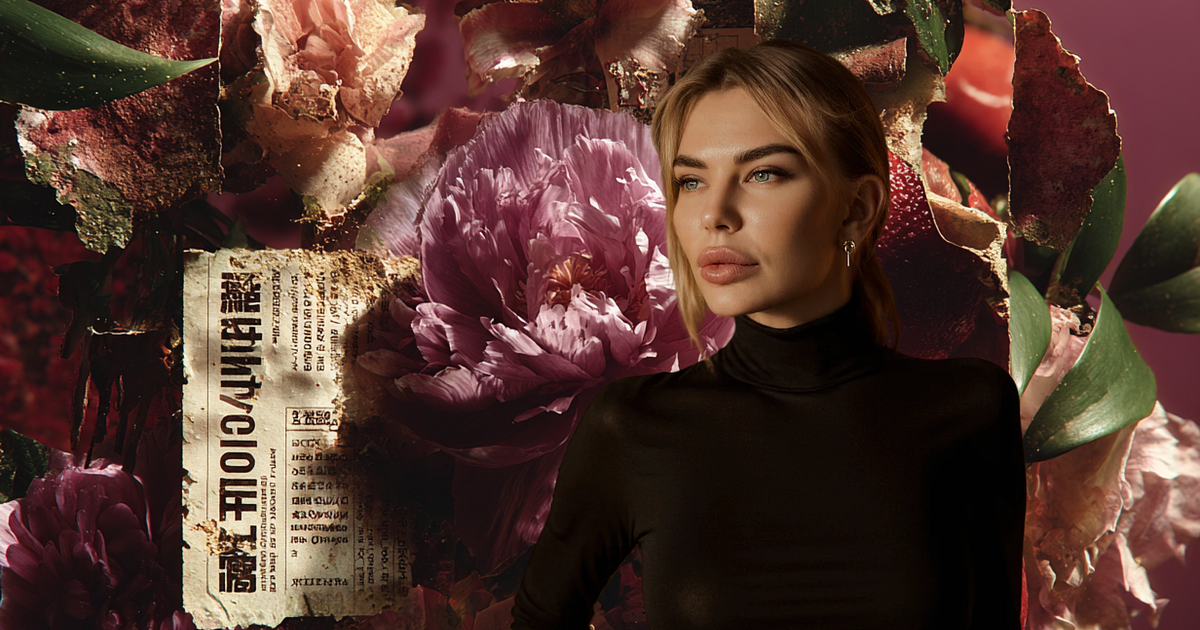
The Transformation
The first time I saw AI-generated images that actually looked good, I felt something complicated.
Part of me was fascinated. Part of me was terrified.
I’d spent twenty years training my eye. Learning to see. Building this skill through thousands of hours of observation and practice. And here was a machine that had looked at billions of images and learned patterns I couldn’t even articulate.
It felt like a threat. Like everything I’d built was suddenly obsolete.
I did what many designers do when facing disruption: I ignored it. Dismissed it as a gimmick. Told myself that AI could never truly understand aesthetics, that human creativity was safe, that this was just another tool that would pass.
But curiosity is stronger than fear.
I started experimenting. Quietly. Late at night, after my kids were asleep, I’d type prompts into Midjourney and see what came back. Most of it was garbage. But occasionally — occasionally — something would emerge that made me stop scrolling.
How did it know to do that?
And then the insight hit: it didn’t know. It had learned patterns from billions of images. The same way I had learned from thousands. The difference was scale and speed.
But something was missing from most AI-generated content. Even the technically impressive pieces often felt… empty. Soulless. Like someone had copied the form without understanding the function.
That’s when I realized: AI had learned to generate. But it didn’t understand why something resonates. What makes an image not just beautiful, but meaningful. How to create visual content that connects emotionally, not just aesthetically.
That requires something else. Something I’d been building for twenty years without naming it.
Visual Intelligence.
Not just the ability to recognize good design. But the ability to understand the why behind the what. To translate intention into instruction. To guide creation toward meaning.
This was my unfair advantage. Not that I could design (AI would soon do that faster). But that I understood the language of visual communication deeply enough to teach it — to machines and to humans.
The girl who once fed on scraps of beauty could now help others create it at scale.