
Is Bamboo Greenwashed? – Gurl Gone Green
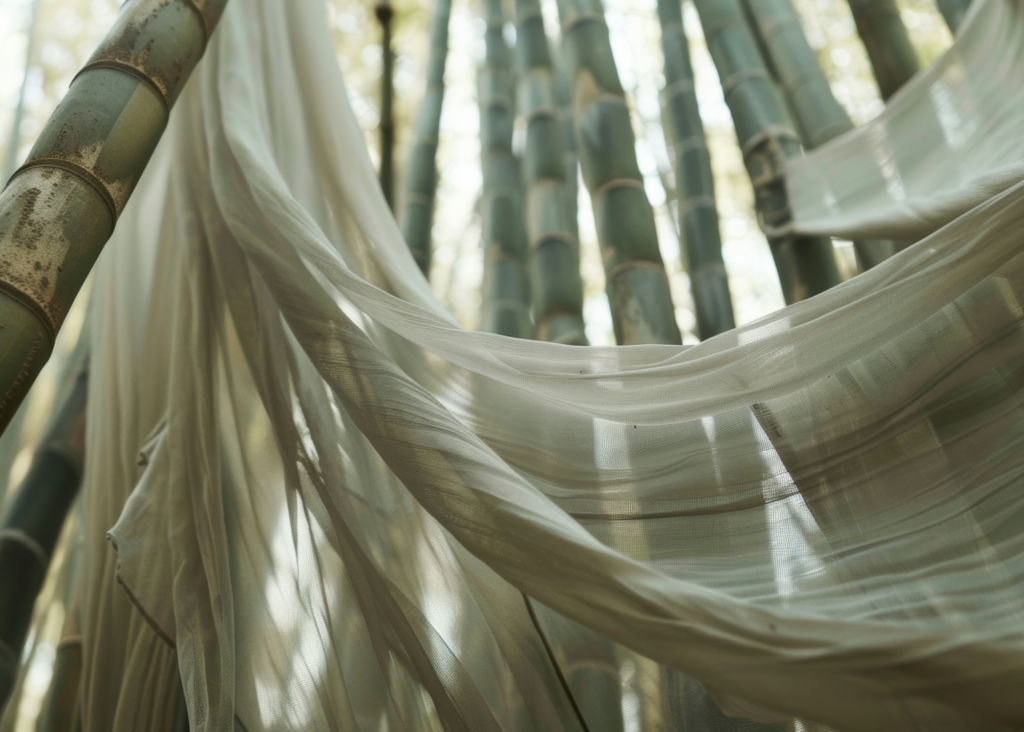
Bamboo has become quite popular recently due to many of us looking for better options for our homes and our families. From baby pajamas to bedding and even toilet paper, brands often market bamboo as a sustainable and eco-friendly option.
As with anything, sometimes we need to dig a little deeper and see what the facts are. So what’s the truth about bamboo? Is it really the sustainable and clean material brands claim—or is it yet another example of greenwashing? I am breaking it all down below.
Bamboo Details
Bamboo is technically a grass, not a tree, and it grows quite fast. I have found that some species can even grow 1-3 feet per day! Because of this fast growth, it is a renewable resource and quite sustainable.
Pros Of Using Bamboo
- Grows quickly
- Overall requires less pesticide use than other crops
- Requires less water usage than other crops
- Regenerates quickly after having been harvested
- Can be used for a variety of things – fabrics, paper, construction materials, utensils and so much more!
So far this seems like a no-brainer! Up to this point bamboo is less toxic and more sustainable than many other options, however the process of making bamboo into fabrics and papers needs to be looked at in more detail as not all products made from bamboo are created equally.
How Is Bamboo Fabric Made?
Unfortunately to transform bamboo into a fabric, a significant process must take place called regenerated cellulose fiber processing.
This is essentially a term used in the textile world to describe how a natural material (like bamboo) is broken down and then rebuilt into a usable fiber. This can happen through chemical processing or, less commonly, mechanical methods.
So while bamboo starts as a plant, the fabric that results has usually gone through a process where it’s broken down and “regenerated” into a wearable/usable textile. And this is where the question of the sustainability of bamboo comes in.
The two main types of bamboo fabrics are bamboo viscose and bamboo lycocell. When checking the labels on your clothing, this information should be readily available so you know what you are buying. And it’s important to know as the processing of these two different types of bamboo fabrics is quite different from a sustainability and toxin standpoint.
Types of Bamboo Fabric
Bamboo Viscose
**Most Common** This is the way most bamboo fabric is made and what you’ll find in most bamboo clothing and bedding.
The bamboo is harvested, broken down into a pulp, and then dissolved using harsh chemical solvents to create a liquid that’s turned into fibers. Those fibers are spun into the soft fabric we all associate with bamboo. While the end result is incredibly soft, this process is heavily processed and similar to how rayon is made (rayon is typically made from wood pulp while viscose is made from cellulose in the plant wall), which means it’s not quite as “natural” as it’s often marketed.
Bamboo Lycocell
The lyocell process is a more eco-conscious way of turning the bamboo plant into fabric. Like viscose, the bamboo is broken down into pulp, but the key difference is that not only are the solvents used less toxic/non-toxic, but they are recycled in a closed-loop system instead of being released into the environment. This results in a fabric that’s still soft and breathable, but created in a much more environmentally responsible way. It’s typically more expensive, which is why it’s unfortunately less common.
Bamboo Linen
This is the most sustainable and lower tox way to make bamboo fabric. It uses a mechanical process (no harsh chemicals!) that includes enzymes to break down the bamboo. The resulting fabric is strong and durable, but the down side is that the production is costly and labor intensive. Thus, this is a more rare bamboo fabric.
Pros of Bamboo Fabric
Bamboo fabric has become popular for things like pajamas, bedding, and baby clothing and here are a few reasons why:
- Very soft – If you have never felt bamboo, you are missing out. I have found the softness it offers is unmatched by many other materials.
- Breathable – Helps regulate body temperature and doesn’t trap heat
- Moisture-wicking – Great for keeping skin dry, especially for kids and babies
- Gentle – Often a good option for those with skin sensitivities
- Lightweight and comfortable – Makes it ideal for everyday wear and sleepwear
Cons of Bamboo Fabric
While bamboo fabric has some great benefits, there are definitely a few things to consider.
- Heavily processed (in most cases) – Especially with bamboo viscose, which uses chemical processing (see above if you missed all the details on this)
- Environmental concerns – If not produced responsibly, the chemical process can contribute to pollution
- Durability issues – Some bamboo fabrics can pill or wear out faster over time
- Lack of transparency – Not all brands clearly disclose how their bamboo fabric is made and that is a red flag
This doesn’t mean you need to avoid bamboo completely, but it does mean it’s worth paying attention to how the fabric is made, not just what it’s made from.
What about bamboo toilet paper?
Thankfully, the process of making bamboo into paper is not the same as making it into fabric.
Of course, not all brands are created equal, so it’s still worth checking how a company sources and processes their bamboo.
Related Content: Best Non-Toxic Toilet Paper Brands
Bamboo vs Cotton: Which is better?
Bamboo definitely has some advantages. It grows quickly, typically requires less water, and needs fewer pesticides. Plus, the fabric itself is incredibly soft and comfortable to wear.
However cotton – especially organic cotton – has some important benefits too.
Organic cotton is grown without harmful pesticides and doesn’t require the same level of chemical processing to turn it into fabric. It’s also more widely regulated and tends to have better transparency when it comes to sourcing.
Ultimately it’s not about choosing one over the other, but more about choosing brands and products wisely.
My Honest Take On Bamboo Fabric: Is it greenwashed?
While I used to think of bamboo as a great alternative to synthetic options like polyester, I know now that it really requires a deeper understanding of how the product was made. It not as simple as saying it’s made of bamboo so it must be clean anymore- you have to look deeper into how was it processed, and what type of bamboo fabric is it? As I say with natural living in general, things are a lot more nuanced than they seem.
I do think that bamboo can be greenwashed because of lack of transparency as a whole. Most people purchasing bamboo would not realize all that goes into bamboo or what to look for, so it can be misleading. I also think when you hear the word bamboo you often associate it with being more natural and clean, however, there is a darker side to bamboo that most people aren’t aware of.
Conclusion: Do I still buy items made from bamboo for my family?
I don’t actively seek out bamboo for my family. Not that I ever did, but anytime I saw bamboo on a label I used to think it was a more natural option, whereas I know now to look beyond just the word bamboo and ask more questions. I have bought bamboo toilet paper in the past but now I would consider other cotton options, even though toilet paper is less processed it still can contain hidden chemicals. Ultimately, it comes back to what you feel comfortable using and your standards.
If you liked this post, check out these past posts: