
Doctors: Helpful or Harmful?. Most people say we’ve come a long way… | by Paper & Perfume | Oct, 2025
Most people say we’ve come a long way in the healthcare industry. But if that’s true, why does it feel harder to get seen — and truly helped — today than twenty years ago? Why is it that we’ve discovered more illnesses than ever, yet can’t diagnose a young person in their twenties? And why does it always seem harder when you’re a woman?
As I sit here writing this, I think back to the days when I was healthy — my life before twenty. I could run for miles, do a few pull-ups, knock out some burpees, and still have energy left to dance. Those were the prime years of my life.
They say your twenties are supposed to be your healthiest — when your heart rate’s steady, your body’s resilient, and your future feels limitless. But that’s not the case for this twenty-four-year-old girl.
After two years of endless doctor visits, I’ve realized that while medicine has advanced, empathy hasn’t kept up. We’ve improved technology, but not humanity.
A doctor tells you your memory loss is just “forgetfulness” — that’s ego.
A nurse barely listens as you describe what felt like a seizure — that’s judgment.
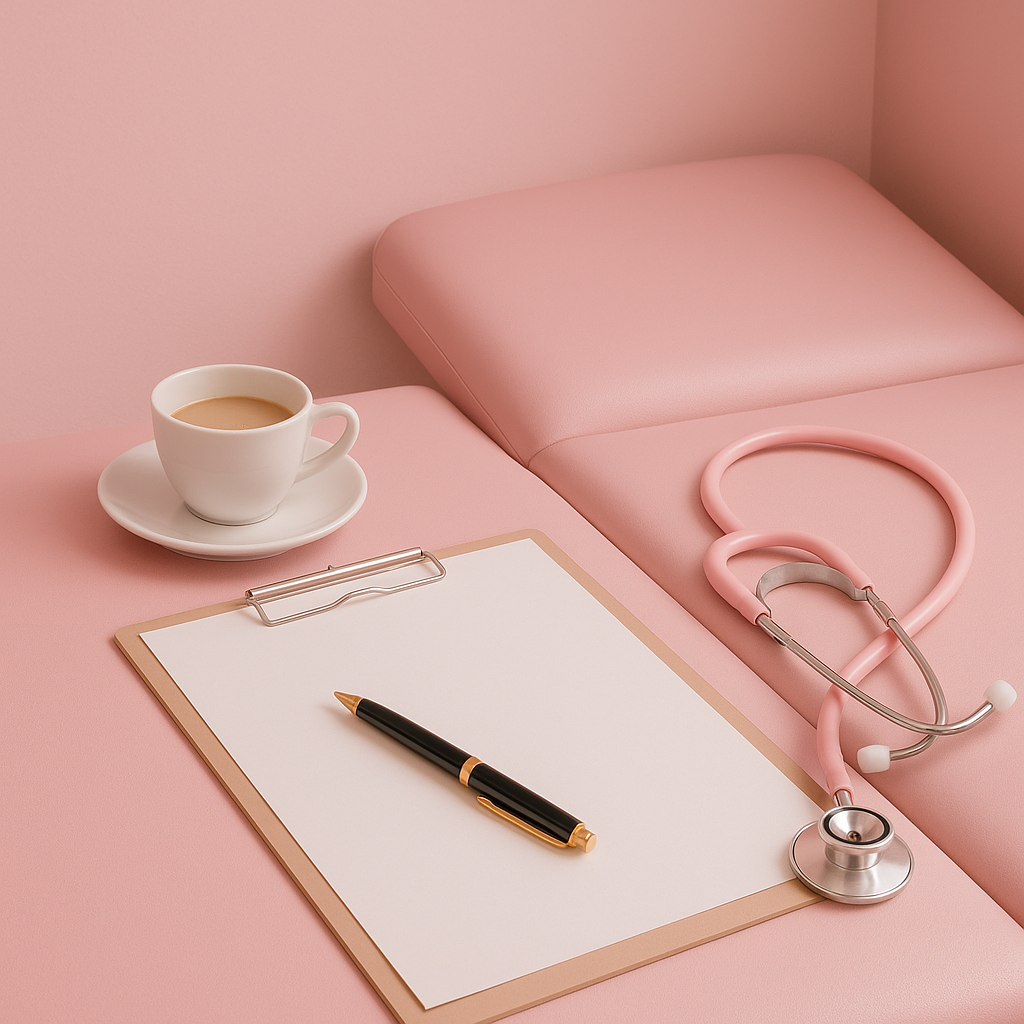
A neurologist glances up from his clipboard and says, “You look normal” — that’s perception.
In a world full of constant breakthroughs, we’re still trapped in a system of I know best.
A doctor spends five minutes with you, makes eye contact twice, and sends you off with a label and a prescription. When, I wonder, does judgment leave the examination room?
My mother — loving, caring, well-intentioned — tells me to eat better, take vitamins, and rest more. I adore her, but even she sometimes believes experience equals expertise.
“Mothers know best,” they say. “Doctors know best,” too. But when does someone else’s experience become our reality?
It’s like those As Seen on TV commercials — you buy the product expecting it to be exactly what you saw, but what arrives never matches the image. We’re not all built from the same mold. Yet doctors love to group us together and call our symptoms “anxiety” or “stress.”
Maybe it’s easier that way — easier to dismiss what they don’t understand.
After leaving the doctor’s office for what feels like the hundredth time, I sit in my car, angry. Angry that my pain was brushed off, that my confusion was ignored, that I was made to question my own sanity.
One doctor told me my “seizures” weren’t real. Another said I was too young for memory loss, so there was no need for tests. My elevated heart rate? “Probably B12 deficiency.” The labs came back normal — like always.
And still, I wonder: why is it so easy for them to assume it’s all in my head?
Maybe the problem isn’t that I’m a girl who overthinks — it’s that I’m a woman who refuses to be unheard.
When did the people who were supposed to heal us start making us feel a little bit broken instead?