
Bone Broth Protein vs Collagen Peptides: A Complete Comparison
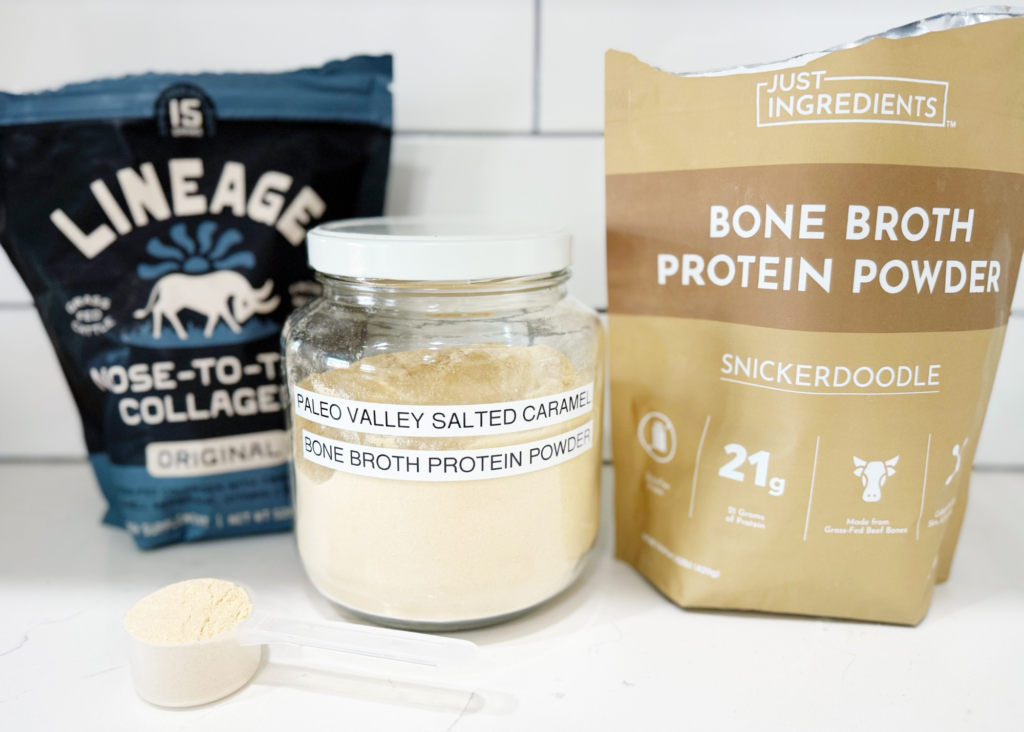
I have found some of the highest quality bone broth proteins and collagen peptides!
Collagen peptides. Bone broth protein. If you spend any time in the wellness world, you’ve heard both tossed around as if they’re interchangeable. But are they actually the same thing? Since both make regular appearances in my own kitchen, I figured it was time to look past the buzzwords and unpack what each one really is and what benefits they actually offer.
*Affiliate Disclosure: I do have affiliate links in this blog post. If you purchase something from my link, I will receive a small commission from the sale. This comes at no cost to you, but is paid by the company. I do not take becoming an affiliate with any company lightly. If I am, it’s because I believe in the company and their product.
*Suzi (Gurl Gone Green) is a participant in the Amazon Services LLC Associates Program, an affiliate advertising program designed to provide a means for sites to earn advertising fees by advertising and linking to amazon.com.
What is collagen?
Collagen is a connective tissue protein. Think of it as the scaffolding material for skin, bones, tendons, ligaments, cartilage, and connective tissue. Collagen is made of the amino acids glycine, proline, and hydroxyproline.
How is collagen powder made?
Collagen powder is typically made from bovine hide or fish skin or scales. Connective tissues are rich in type 1 and sometimes type III collagen. Collagen powder is made by extracting collagen from these connective tissues, then enzymatically hydrolyzing the powder into smaller peptides.
Benefits of Collagen
Supports skin elasticity
According to a systematic review and meta-analysis in the Journal Nutrients, hydrolyzed collagen was found to improve skin hydration and elasticity. In another randomized controlled trial, collagen improved skin elasticity in women aged 35-55 over 8 weeks of daily use.
Supports joint pain and osteoarthritis
Collagen supplementation has been shown to reduce activity-related joint pain in athletes according to the Journal of Environmental Research and Public Health.
Supports Bone Mineral Density
In a randomized controlled trial in the Journal Nutrients, collagen peptides taken daily for 12 months in postmenopausal women was shown to increase bone mineral density and support positive bone markers.
Supports nail growth
Collagen taken daily for 24 weeks can also improve nail health and growth according to the Journal of Cosmetic Dermatology.
Drawbacks of Collagen
- Collagen is not a complete protein. It lacks tryptophan and is very low in essential amino acids so it should not be relied upon for muscle-building or post-workout recovery.
- Collagen is low in leucine. Leucine triggers muscle protein synthesis and does not stimulate muscle protein synthesis effectively on its own.
- Collagen can vary in quality. Heavy metal contamination can be an issue in poorly sourced products especially in marine-sourced collagen.
What is bone broth protein?
Bone broth protein is basically dehydrated bone broth. When the water is removed, it leaves behind protein-rich, collagen-derived amino acids.
How is bone broth protein made?
Bone broth protein is made by simmering animal bones and connective tissue for 24 hours or more, then concentrating and drying the liquid into a powder. The broth is filtered removing fat and bones and the liquid is reduced to increase protein density. It is then spray-dried into powder form. Many times flavor is added to improve the taste.
What nutrients are in bone broth protein?
Bone broth protein contains the amino acids, glycine, proline, hydroxyproline and sometimes small amounts of arginine and glutamine.
Bone broth protein also contains some collagen/gelatin.
Mineral content varies widely and is often present in modest amounts, but calcium, magnesium, potassium, and phosphorus are the minerals most typically found in bone broth protein.
Bone broth protein can also contain glucosamine, chondroitin, and hyaluronic acid.
Benefits of bone broth protein
Supports tendon and connective tissue collagen synthesis
A study in the American Journal of Clinical Nutrition found that consuming 15g of gelatin or collagen with vitamin C prior to exercise increases collagen synthesis markers. These markers are indicators of new collagen production.
Supports gut barrier
While human clinical trials are somewhat limited, there is mechanistic evidence that glycine and gelatin support intestinal barrier integrity. Animal studies have demonstrated that glycine can protect the intestinal barrier and reduce inflammatory markers.
Supports sleep
Bone broth protein contains glycine which has been show to improve sleep quality in individuals with mild sleep complaints. The study in Sleep and Biological Rhythms used 3g of glycine before bed.
Drawbacks of bone broth protein
- Bone broth is not a complete protein. Just like collagen, bone broth protein lacks tryptophan and is low in amino acids.
- Bone broth is low in leucine which means it won’t stimulate muscle growth.
- Bone broth can contain heavy metals especially lead so it’s important to look for brands that undergo third party testing.
Collagen vs Bone Broth Protein: Key Differences
| Category | Collagen Protein | Bone Broth Protein |
| Primary Source | Hydrolyzed collagen peptides extracted from bovine hide, marine skin/scales, or porcine sources | Dehydrated bone broth made by simmering bones, connective tissue, and sometimes cartilage |
| Processing Method | Enzymatically hydrolyzed then broken into smaller peptides for easy absorption | Bones simmered for hours then the broth is dehydrated into powder |
| Flavor | Neutral; dissolves easily in coffee, smoothies | Savory/umami flavor unless a flavor is added. |
| Best Use Cases | Coffee, smoothies, baking, protein boosting | Soups, savory recipes, or as a sipping broth |
| Texture | Very smooth, dissolves easily | Slightly thicker; may clump if not mixed well |
| Ideal For | Skin, hair, nails, joint support, gut health | Traditional nourishment, whole-food appeal, supports connective tissue collagen synthesis, sleep, gut barrier |
Best Bone Broth Proteins
*I am picky about the brands that I use and recommend. The ones that I do recommend don’t have fillers or additives in them. Many bone broth/collagen powders have added fillers- make sure and read your label!
Paleovalley Bone Broth Protein
Cost: $59.99
Review: This was the first bone broth protein powder I used and I still love it! I love how Paleo Valley goes the extra mile in all that they do. They use the actual bones, not skin like many brands. When you’re just sourcing from the skin you are missing out on so many nutrients! They use grass-fed, pasture raised beef bones, so you’re getting the best of the best. Many brands will claim grass-fed, but they are not 100% grass-fed like Paleo Valley. Paleo Valley even takes it a step further stating that the bones from their cattle they use are never fed GMOs- or any grains or pesticides. The bones are also slow simmered, so you’re getting the most extraction. I love that they don’t use chemicals or solvents for extraction, just slow simmering and filtered water. They even test for over 40 contaminants!
I love their chocolate, vanilla and salted caramel. I use the chocolate the most I’ve found. It works so well in any warm drink. You can make a nutrient dense bone broth protein hot chocolate with it- so tasty! I’ll just do hot water, but you can also add a milk of your choice. I use my electric frother to blend it up. I love putting a scoop in my coffee for a mocha feel without the sugar or dairy. It also works so well in baked goods! I will add it to brownies, cookies, overnight oats- really anything you want to add a little nutrients too!
The vanilla is great in baked goods and smoothies. The salted caramel is good mixed with the chocolate for a clean salted hot chocolate. I also like the powder in baked goods. The list is really endless on how you can use them! I will say that the Salted Caramel is the one that can taste a little more artificial if you are sensitive to that taste because of the monk fruit in them that is used to sweeten. It’s not bad, and I don’t notice it as much when I mix the chocolate with the salted caramel. I also don’t notice it at all in the chocolate. But wanted to make a note of that because I have had people ask me about that. Get it here.
Related Content: 7 Ninja Creami Protein Ice Cream Recipes
Just Ingredients Bone Broth Protein Powder
Price: $39.95
Review: This was my newest bone broth protein discovery. Just Ingredients came out with their bone broth protein recently and I knew I wanted to try it. It’s definitely very creamy! I’m thinking it might be because of the MCT Oil that is added to it.
I have only tried the snickerdoodle flavor but it’s delicious! I add it to my coffee and it makes it taste like a Starbucks cinnamon dolce latte from back in the day- not sure they even have that flavor anymore! My electric frother blends and mixes it in so well. But regardless, snickerdoodle is yummy! I haven’t tried baking with it yet, but I imagine if would be really good. I love that Just Ingredients third party tests their products for impurities. They also only sweeten with monk fruit. I want to try their french vanilla and chocolate as well! I think this flavor would also be really great as a Ninja Creami Flavor. Get it here. Also, use code: GURLGONEGREEN for 10% off.
Taylor Dukes Wellness Bone Broth Protein
Price: $59.99
Review: I have loved all the Taylor Dukes Wellness products I’ve tried and her bone broth protein is no exception! I love that she tests all her products and is strict with her ingredients. The bone broth protein is sweetened with organic monk fruit. I’ve tried her peppermint bone broth protein, chocolate, vanilla and pumpkin spice and you can’t go wrong with any of them. My personal favorite is mixing the peppermint with the chocolate in my coffee- the perfect peppermint mocha without the sugar! I use her bone broth protein just like the other bone broth proteins- in baked goods, overnight oats, smoothies- so many options. Get her products here! Also, use code: GURLGONEGREEN for 10% off.
Best Collagen Peptides
Lineage Provisions Grass-fed Nose To Tail Collagen
Price: $59
Review: This one feels like a traditional collagen powder. It’s a lot smoother in texture and easily blends into anything. I love so many of Lineage Provisions products and their collagen is no exception. They go above and beyond in their sourcing. Their collagen comes from regeneratively raised grass-fed cattle, it also includes scapula, trachea and eggshell for a true nose to tail product. They enhance their product with Vitamin C and sea salt for better absorption. It doesn’t have a taste- really neutral overall. There are no fillers or gums- just clean collagen!
I love how easy this one is to add to any type of drink, soup, baked good. You can’t taste it and like I said that texture is so smooth that it easily dissolves. I like that it includes type I, II, and III collagen. Most collagens only include type I. They also test for heavy metals and contaminants. It’s next level collagen! Get it here. Use code: SUZI for 15% off.
Conclusion: Is collagen or bone broth protein better?
I prefer bone broth protein because it’s a food first option for increasing collagen intake. However, if you prefer a more calculated and perhaps a less flavorful approach to collagen, then collagen peptides might be the better option for you.
Did I miss your favorite bone broth protein or collagen peptides? Share below!
If you liked this post, check out these past posts: