Best Organic Cotton Bras: Non-Toxic Brands You Can Trust
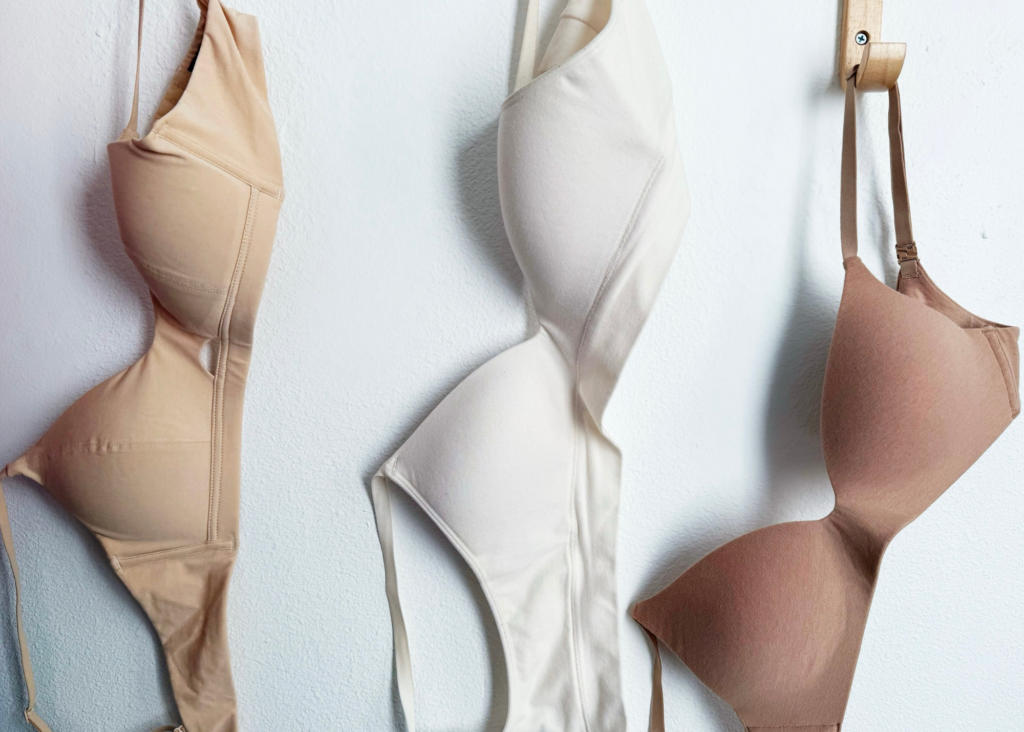
Finding an organic cotton T-shirt? No big deal. Finding an organic cotton bra? A much more nuanced—and dare I say—difficult proposition. Bras are not simple constructs. They require precise fit and support, and they’re made from multiple components: cups, bands, straps, elastic, thread, and even hardware like hooks, rings, and sliders. Even bras that claim to use organic cotton often fall short once you look closely at the label. To avoid falling into the greenwashing trap, here is a basic guide to finding a truly organic cotton bra.
*Affiliate Disclosure: I do have affiliate links in this blog post. If you purchase something from my link, I will receive a small commission from the sale. This comes at no cost to you but is paid by the company. I do not take becoming an affiliate with any company lightly. If I am, it’s because I believe in the company and their product.
*Suzi (Gurl Gone Green) is a participant in the Amazon Services LLC Associates Program, an affiliate advertising program designed to provide a means for sites to earn advertising fees by advertising and linking to amazon.com.
Why Choose Organic Cotton Bras?
Choosing organic cotton bras reduces daily chemical exposure, protects sensitive skin, and supports a cleaner, more ethical textile industry. Organic cotton offers a safer, more breathable alternative to synthetic bras, which often contain petroleum-based fibers, chemical finishes, and dyes that can irritate the skin or disrupt the body’s delicate ecosystem.
Synthetic vs Natural Fibers
Synthetic fibers are man-made fibers derived from petroleum or chemical processes. Examples include:
- Polyester (PET)
- Nylon (polyamide)
- Elastane (spandex)
- Microfiber blends
Synthetic fibers allow for lots of stretch, that’s why it’s nigh impossible to find a sports bra that doesn’t include some sort of spandex. Synthetic materials are smooth, can offer structure and support, and can withstand lots of wear and washings.
The tradeoff is that synthetic fibers trap heat and moisture, they can shed microplastics, and are usually treated with various chemicals including those found in moisture-wicking finishes, anti-odor coatings, stain-resistant PFAS, and more.
Natural fibers that come directly from plants or animals and are minimally processed.
- Organic cotton (the most common)
- Hemp (rare)
- Bamboo viscose (semi-synthetic)
- Silk (uncommon)
Natural fibers allow for more air flow, they are gentle on the skin, absorb moisture, are biodegradable, and have far fewer chemicals than their synthetic counterparts.
While the pros outweigh the cons in my opinion, it’s worth noting that bras made with natural fibers, especially pure cotton, don’t have a lot of stretch, have a more relaxed or natural fit, and don’t hold a shape as well as synthetic fibers.
Organic Cotton vs Conventional Cotton
A product label that boldly proclaims 100% cotton seems purchase worthy, until you dig a little deeper and find out that not all cotton is created equal.
Organic cotton, especially GOTS-certified, will not be grown or processed with any synthetic pesticides or herbicides, GMOs, chlorine bleach or formaldehyde finishes, azo dyes with carcinogenic amines, or toxic heavy-metal dyes.
Conventional cotton is often grown with a slew of pesticides, herbicides, GMO’s and chemical fertilizers. Processing can also involve chlorine bleaching, harsh dyes, resin finishes, formaldehyde-based softeners, anti-microbial coatings, fragrance or silicone finishing sprays.
Usually the reason for switching to a natural fiber like cotton, is to reduce chemical exposure.
Health Impact
Organic cotton is going to have fewer chemicals, so it’s going to be better for sensitive skin, and safer for the breast and lymphatic areas.
Conventional cotton because of its chemical residues and harsh finishes can irritate skin and expose the breast and lymphatic areas to chemicals and potential endocrine-disrupting chemicals.
Environmental Impact
Organic cotton doesn’t use any toxic pesticides, uses less water and has cleaner dyeing processes and thus contributes to healthier soils.
Conventional cotton on the other hand, uses a lot of chemicals and water that can lead to polluted waterways and contribute to soil degradation.
Related Content: Best Organic Cotton Underwear Brands (For Women)
What to Look for in a Truly Non-Toxic Bra
1. GOTS-Certified Organic Cotton
Sadly, there is a lot of greenwashing and questionable business practices in the organic cotton industry. For example, some manufacturers will use toxic dyes on organic cotton.
Many brands use the term, “organic cotton” loosely, but a GOTS certification ensures that the cotton meets the strictest and most comprehensive standards for cotton and the entire production process.
A GOTS certification requires that cotton be grown without synthetic pesticides, herbicides, or GMOs. It also sets a standard for maintaining the health of the soil and how water is used in the growth process.
GOTS prohibits the use of over 1,000 chemicals and either prohibits or has strict limitations for the following toxic chemicals:
- Formaldehyde (used in wrinkle-free finishes)
- Chlorine bleach
- Heavy metals
- Azo dyes
- Phthalates
- Toxic solvents
- Flame retardants
- PFAS (permanent “forever chemicals”)
- Nickel and chrome dyes
- Endocrine-disrupting softeners
You may have also seen the OEKO-TEX certification on cotton products, this is a good place to start, but it’s not as comprehensive as a GOTS certification. OEKO-TEX only tests the finished product, whereas, GOTS is a guarantee of organic farming, ethical labor, environmental protection, and transparent sourcing.
2. Low-Impact or Undyed Fabrics
Low-impact or undyed fabrics are important to look for because they reduce exposure to harmful chemicals and thus safer for sensitive body parts. Aside from the physical health benefits, they also minimize environmental damage and increase production transparency.
One of the shady business practices of the fabric dyeing department is the use of dyes to cover up poor fabric quality or to promote claims such as, anti-odor or moisture-wicking, with heavy toxic coatings.
Consider this, many conventional dyes contain heavy metals, petroleum-based solvents, formaldehyde resins, and azo dyes that release carcinogenic amines.
Undyed fabrics are just that—undyed, while low-impact dyes fall into one of the following categories:
- Fiber-reactive dyes
- Plant-based dyes
- GOTS-approved dye systems
- OEKO-TEX certified dye houses
With dyeing being one of the most polluting aspects of the fashion industry, undyed and low-impact dyes reduce the amount of water and energy used and harmful chemicals generated and released into the environment.
3. Minimal Synthetic Fibers
Organic cotton is great for so many reasons, let us count the ways, but one of its downsides is lack of shape and support. This is why synthetic fibers are used—to make a bra that people will want to wear.
Bras require certain performance features that organic cotton alone cannot provide. Elastane (spandex) is one such synthetic fiber that can greatly enhance an organic cotton bra.
Using 5-10% elastane in a bra can improve the stretch, support, shape, durability, even the cost of the bra, while still maintaining a significantly cleaner bra. Elastane is also used in creating the elastic bands for bras because it stretches to fit and can withstand many washes. You can find bra bands made with natural rubber elastic, but they tend to be expensive because it’s harder to source.
Synthetic fibers to stay away from:
- Polyester
- Nylon
- Recycled Polyester (this can be okay for other pieces of clothing, just not for bras)
- Acrylic
- Polypropylene or Polyurethane Foam Layers (usually in padded cups)
- Plastic coated elastic bands
4. Safe Elastic, Thread, and Hardware
When it comes to elastic, your best option is GOTS-certified natural rubber with a 100% organic cotton covering, if that’s not an option, look for OEKO-TEX certified elastane, Bluesign-approved elastane, or elastane that states it has a non-toxic finish.
Natural rubber plastic is at the top of the list because as the name implies, it’s made from the sap of the rubber tree. There is no petroleum, PFAS, plastic microfibers, it’s biodegradable and yet it provides good stretch and recovery.
When it comes to thread, GOTS-Certified Organic Cotton Thread is the best, but if that’s not an option, look for TENCEL™ or Lyocell Thread.
What you’ll find is that polyester thread is almost exclusively used in bras, unless it’s a super clean, non-toxic brand.
When it comes to hardware such as hooks, rings, and sliders, metal plating, the lacquers, glues, and nickel in them, can all be potential irritants. That’s why nickel-free stainless steel is the best option because it’s hypoallergenic, non-leaching, and doesn’t rust. If stainless steel isn’t an option, look for undyed or unlacquered brass, or non-coated aluminum. If none of the above options are available, then the next best, is plastic hardware that is OEKO-TEX certified.
5. Avoiding Greenwashing in “Eco” Bras
A lot of brands use meaningless adjectives like eco, natural, or sustainable to market their bras, even when they are anything but eco, natural, or sustainable. A closer look at the label reveals that the bra contains mostly synthetic fabrics or has harmful dyes or if you dig a little deeper, uses poor environmental practices. It’s more important to look for certifications and transparency rather than “clean” adjectives.
Some red flags that brands are being superfluous more than sincere is when their bras have bright colors without dye disclosure, they don’t have certification numbers and they use recycled polyester as their main fabric, or are cheap.
The reason why recycled polyester can be problematic is because it’s usually made from recycled bottles, sheds microplastics and contains harmful finishes, plus it’s not breathable or compostable.
Fast fashion brands like H&M, ZARA, American Eagle have been called out for misleading customers with their sustainable collections. Even Everlane was identified for greenwashing practices because their clothes including bras had an overreliance on synthetic materials. In general, it’s difficult, if not impossible, for mass production and sustainability to coexist. If a brand lacks transparency or third party certifications, take it as a sign to move on.
6. Underwire Dilemma
Organic cotton and wireless are usually mutually exclusive, but not a complete unicorn. A few brands do make underwire bras using organic cotton and even use natural rubber elastic and OEKO-TEX–certified hardware. However, it’s important to note that you can get good support without underwire if the bra has a strong band, good cup design, and high-tension natural rubber.
Best Organic Cotton Bras (Brand Roundup)
**I typically wear a True Co. bra and I will say nothing feels as good as that did unfortunately! It feels so smooth on the skin and lightweight. However, it’s made of polyester and that’s why we are here- to find a more sustainable option. I just wanted to share that in case you’re familiar with True Co. bras.
Brook There
Best For Everyday Wear
Materials:
- Fabric: 94% organic cotton, 6% spandex
- Hardware: Adjustable straps with rose gold hardware
- Closure: No back closure
Size Range: 32ab-38cd
Price Range: $46
Certifications:
- Global Organic Textile Standard (GOTS)
- Made in the USA
Fit Notes: I felt that the Brook There bra ran small. I tried the Triangle bra. It wasn’t the most comfy, but again, if I got a larger size I think that would have helped. If you are looking at their bras my advice would be to size up. Also, I don’t like anything tight around my chest- I feel it’s constricting and actually not really great for overall lymph from what I’ve read, so I like my chest and everything to be able to breathe. It didn’t offer a ton of support. There’s no padding in their bras. I wish there was. I am small chested, and a little padding or support is great for shape in my opinion. I wouldn’t wear this out of the house, but if I was lounging around the house it’s a good option.
Why we love it: I love that it’s made with 94% certified organic cotton. I do like that it has adjustable straps.
Things to consider: It feels more like a light bralette overall. If you’re looking for more shape or support, you won’t find it in these bras. They don’t offer a ton of size options. They only go up to 38cd- so not great for larger chests.
Final thoughts: Not a bra I would purchase again. It didn’t do much for my small chest or add any shape. If you’re looking for just a lounge type bra with no padding or shape, this could be a great option for you.
Thirdlove
Best For Everyday Wear, Support
Materials: Depending on the organic cotton bra, there are a few different fabric compositions.
- Solid: 79% cotton/15% nylon/6% Spandex
- Heather: 80% cotton/14% nylon/6% Spandex
- Lining: 79% cotton/15% nylon/6% Spandex
- 93% organic cotton/7% spandex
Size Range: XS-XL++
Price Range: $48-$82
Certifications: None
Fit Notes: I tried their Seamless Cloud Cotton Wireless Bra by mistake. I thought I was ordering the Organic Cloud Cotton Wireless Bra. So I ordered again and ended up with their Organic Cloud Cotton T-Shirt Bra. When I got it, it had wire in it. I was bummed because I prefer wireless. But sent it back and got the Organic Cloud Cotton Wireless Bra that I originally wanted. Anyways, all that to say I actually was grateful that happened because I can speak about three of the bra options now!
The Seamless Cloud Cotton Wireless Bra is so comfortable! The band feels so nice around the chest. Not too tight or bulky like some bras. I like that there’s some padding overall- especially nice for a smaller chest like myself. It just gave me a nice shape overall. It felt true to size. I do like that Thirdlove offers ½ sizing up though size D. So instead of getting an A cup, you could get an A ½ which is what I did. It really helps you get your true fit. It didn’t make me feel hot either.
The fit of the Organic Cloud Cotton Wireless Bra felt great! I actually preferred that over the non-organic Cloud Cotton Wireless Bra. It didn’t feel as heavy or bulky on the sides. I also think that it would be better for a larger chest and offering more support because the straps are wider. They offer sizes all the way up to H cups.
The last bra I tried from Thirdlove was their Organic Cloud Cotton T-Shirt Bra. This bra felt more like a pushup bra. It has more padding and it does have underwire. So if you prefer to have underwire this might be a great option for you. It also has more of a plunge neckline. The straps can easily adjust which makes it nice. This one seems like it would hold its shape the longest for an organic cotton bra because of the extra padding and because it’s wired.
Why we love it: I love that Thirdlove does make a real bra, that has padding, shape and is made with organic cotton. It’s hard to find an actual bra that is made of organic cotton. Usually they are more of a bralette or sports bra but these are legit bras that are made with organic cotton.
Things to consider: Consider if you prefer wireless or wired when shopping for an organic cotton bra from Thirdlove since they only have two organic real bra options and one is wired and one isn’t.
Final thoughts: I would highly recommend their organic cotton bras. They feel like a traditional bra and perform like one, but have the added benefit of being made with mostly organic cotton.
MATE the Label
Best For Everyday Wear, Workouts
Materials:
Sports Bras & Tanks made with 92% Organic Cotton and only 8% Spandex.
Size Range: XS-XL
Price Range: $58-$68
Certifications:
- Global Organic Textile Standard (GOTS)
Fit Notes: Very tight fitting overall, no support as far as padding or any extra stitching to support, just a very basic sports bra. It felt very tight around my chest and uncomfortable. I don’t like tight fitting bras as I mentioned above.
Why we love it: I love that it’s made with organic cotton and sustainably sourced.
Things to consider: It feels more like a teen sports bra, then an adult sports bra. Just very basic and too tight around the chest. I would size up, it didn’t give me any lift or anything because there are no pads.
Final thoughts: I didn’t love this bra. It’s really just a sports bra that did nothing for me. It was too tight and uncomfortable. I wanted to take it off the minute I put it on.
Pact
Best For Everyday Wear, Workouts
Materials:
- 95% Organic Cotton
- 5% Elastane
Size Range: XS-2XL
Price Range: $38-$99
Certifications:
- Global Organic Textile Standard (GOTS)
- Fair Trade Certified
Fit Note: I really like these bralettes and sports bras from Pact. I’ve had these for years and always go back to them. I like that they come with padding. I want my sports bras to be padded so I don’t look super flat wearing a sports bra. I also like that they fit true to size and aren’t super tight. I feel like I can breathe when I’m working out in them or just moving about.
Why we love it: I love that they’re made with organic cotton and feel breathable when I’m wearing them. They’re not super thick, like some of the organic cotton sports bras I tried. Also, I love that they have pads.
Things to consider: If you have a larger chest they don’t have as many options.
Final thoughts: I really love these for a bralette to wear for everyday or as a sports bra. They offer support, are comfortable and don’t feel restrictive.
Zoe Jacobs
Best For Sensitive Skin, Everyday Wear and Affordable
Materials:
- 46% Pima Cotton
- 46% Modal
- 8% Spandex
Size Range: XS-L
Price Range: $34-$36
Certifications:
- Global Organic Textile Standard (GOTS)
- OEKO-TEX certified
Fit Note:– I was pleasantly surprised to find this organic cotton bra option on Amazon! Not only that but an affordable option. This bra is just under $34! I liked how it felt lightweight and comfortable. It doesn’t offer a ton of support if you’re looking for that. The sizing also isn’t great. They only offer XS to L. It’s wireless which is a plus.
Why we love it: I like that it’s easy to find on Amazon, has some padding in it and shape. It’s also a great budget friendly option.
Things to consider: It doesn’t offer a wide range of sizes, not a good option for larger chested women. It also seems like it runs on the smaller size. I ordered a small which is what was recommended to me but after trying it on I ordered a medium. It fit around my chest, but I didn’t like how it had some gaps on the sides where my shoulder and chest meet. The medium felt better overall and covered the skin there. For reference I’m an A cup. It also is made of 46% organic cotton and then beechwood modal. So not all cotton. I don’t mind this since modal is a cleaner fabric overall, but wanted to mention this if you’re wanting a strictly all organic cotton bra.
Final thoughts: I really liked this bra and would recommend it to others. It felt comfortable and offered some shape overall. I also liked that I could find it on Amazon and the price! Not a bra for larger chests or those wanting more support.
Organic Basics
Best For Sensitive Skin, Everyday Wear and Support
Materials:
- 90% Organic Cotton
- 10% Elastane
Size Range: XXS-XXL and 32A-40DD
Price Range: $9-$50
Certifications:
- Global Organic Textile Standard (GOTS)
- Organic Content Standard (OCS)
- Responsible Wool Standard (RWS)
- Global Recycled Standard (GRS) certified (CU 1067589)
Fit Notes: I tried Organic Basic’s Core Wireless Plunge Bra. I have been so impressed with it! I would still say the most comfortable is the Thirdlove Organic Cloud Cotton Wireless Bra, but this is a close second. The band on this one feels a little more bulky compared to Thirdlove, but not bad at all, just trying to be very detailed in my review. It has some padding and shape so that looks nice. The sizing felt right on. I ordered my usual 34A size and it felt true to size.
Why we love it: I love that it’s made with 90% organic cotton. It feels like a real bra, not a bralette or sports bra. Looked good under t-shirts.
Things to consider: The lining of the cups are made with 60% polyester and 40% cotton. It does go up to a DD but not any larger, so not be ideal for accommodating larger cup sizes. They have sales often, so the bras can come at $39 which doesn’t feel as crazy as some organic cotton bras.
Final thoughts: I would highly recommend Organic Basics Core Wireless Plunge Bra. It felt so good and was a bra I reached for everyday.
Boody
Best For Everyday Wear, Support and Affordable
Materials:
- 79% Viscose made from bamboo
- 15% Nylon
- 6% Elastane
Size Range: XS- XL
Price Range: $23-$45
Certifications:
Fit Notes: This bra is actually made of bamboo, but we wanted to include it because bamboo is a more sustainable option overall. This is wireless and is comfy, however I wished I would have ordered a medium and not a small. The small fits, but it’s tighter and I just don’t like things super tight around my chest. It does offer good support and is probably true to size but would have chosen the medium. It comes with adjustable straps and no fasteners in the back. This really adds to the comfort level overall in my opinion. You can convert this into a racerback as well. The sizing could be better, it only offers sizes XS- XL. I like that it’s padded and that the pads are sewn in, no worrying about pads coming out in the wash.
Why we love it: I love how soft it feels and how it has padding. It is a bra I want to wear daily because it doesn’t feel like a regular bra, but offers shape with the padding like one. It feels lightweight too. I like how there is no fastener as well. I just would prefer a medium.
Things to consider: Like I said above, it’s not made of organic cotton but bamboo. It doesn’t offer a lot of size variation.
Final thoughts: If you have a small to medium chest, I would highly recommend this, just make sure and measure beforehand so you get correct sizing. I would wear it working out, or just as an everyday bra.
Gap
Best For Everyday Wear, Sensitive Skin and Affordable
Materials:
- Organic Cotton 92%, Elastane 8%
Size Range: XXS-XXL or 32A-40DD
Price Range: $24.50-$49.95
Certifications: None
Fit Notes: I was excited to find this Organic Stretch Triangle option online at Gap. So affordable and made with 92% organically grown cotton. I like that it has a deep V for when wearing certain shirts and that it’s wireless. They did have another organic option on their website but it did have wire. I prefer wireless, but if you like wired, this might be a great option. It also does have a slight padding to the cups. Not a ton. It’s very lightweight and comfortable. I could see wearing this especially in the summer months when it’s hot and humid out as it’s super light overall. It was true to size, I ordered a size medium. I find when bras are small, medium, large instead of cup sizing, I always size up. I don’t like tight bras.
Why we love it: Love that it was on sale for only $11! It is regular $29.50- which is still such a deal for an organic cotton bra. I like how lightweight it feels on.
Things to consider: They don’t offer a ton of sizing options. The sizes range from XXS- XXL- so may not be ideal for larger chest women. Although, on their website they do mention that their larger sizes do offer more support.
Final thoughts: It wouldn’t be my top choice, however, it’s nice for lounging around the house, if you have a smaller chest and you don’t need a ton of support.
Blue Canoe
Best For Everyday Wear, Sensitive Skin and Workouts
Materials:
- 100% organically grown cotton
Size Range: S-XL
Price Range: $55-$79
Certifications: None
Fit Notes:This is the only bra made from 100% organically made cotton. It is more of a bralette and is called Blue Canoe’s Cotton Adjustable Bra. It comes with removable pads. The pads are not made from cotton but polyester. It has adjustable straps. I ordered a size medium and it fit larger than I would have liked- I would say the sizing runs large. I had ordered a medium because often bralettes can feel tighter but not this one. I definitely don’t fill out the medium! Super comfy and does feel lightweight for a bralette/sports bra. But I would order a small next time. I wore it working out and it felt good. It doesn’t have a fastener in the back which I like for a bralette/sports bra. You can also make it into a racerback if you want as well. It doesn’t come in a ton of sizes. Only small, medium, large and X-large.
Why we love it: I love that it is made of 100% organic cotton and comes with some pads if you want that option.
Things to consider: Not great if you have a larger chest, since it only goes up to XL.
Final thoughts: I really like this bra as a sports bra or bralette. Super comfortable and great for workouts. I liked the optional cups too. It didn’t fit me as well as other bralettes or sports bras. I prefer Pact over this.
Are organic cotton bras worth it?
When you consider how often and for how long you wear a bra every day, I think organic cotton bras are worth the investment. Start with one. Test it out, see what you think. Organic cotton bras have come a long way in their construction and style, plus, if you don’t like one brand’s fit, return it and try out another brand. I hope that my reviews will steer you in the right direction but if not, most brands do have a good return policy that I recommend using before deciding that organic cotton bras aren’t worth it.
Frequently Asked Questions
1. Are organic cotton bras better for your skin?
Organic cotton bras are better for your skin because they are softer, more breathable, and less likely to irritate skin than synthetic fibers. Synthetic fibers are usually processed with pesticides, chlorine bleach, formaldehyde-based finishes, and heavy metal dyes which can cause contact dermatitis, rashes, or other forms of skin irritation.
Organic cotton, as long as it’s GOTS-certified, reduces the amount of harmful chemicals your body absorbs through friction and heat especially on those 12+ hour long wear days.
2. Do organic cotton bras provide enough support?
Cotton bras can provide enough support as long as they are well constructed because support comes from the band, cup structure, and stitching. Usually bras with a strong, wide band made of natural rubber elastic, and double layer cotton support panels are going to provide enough support for all cup sizes and activities. The only exception is running and HIIT which may require a higher elastane content and compression for comfort.
3. Are organic cotton bras completely plastic-free?
To be completely plastic-free, an organic cotton bra must use 100% GOTS-certified organic cotton, natural rubber elastic, organic cotton thread, metal hardware like stainless steel or brass, no foam cups or adhesives. This is a tall order, so even most organic cotton bras contain some form of plastic. Most organic cotton bras use some elastane, synthetic elastic, polyester thread, along with some plastic hardware.
This is far better and non-toxic than synthetic bras, but just because a bra uses organic cotton doesn’t mean it is completely plastic-free.
4. How do you wash organic cotton bras?
- Wash in cold water
- Use a gentle, non-toxic detergent
- Use a mesh laundry bag
- Wash on a gentle cycle
- Air dry
- Reshape while damp
5. Do organic cotton bras stretch out over time?
Cotton by nature stretches out over time. However, when it comes to bras, how much it stretches really depends on if it contains any elastic or any elastane. High quality elastics include natural rubber (GOTS-certified) or elastane (OEKO-TEX certified).
If an organic cotton bra is well-constructed, it will keep its shape longer than a 100% organic cotton bra that really serves as a bralette.
Have you found an organic cotton bra you love? Share the brand below!
If you liked this post, check out these past posts below: