A simple life. We constantly ask for things to be… | by Alfredo Gonzalez Briseño | Sep, 2025
We constantly ask for things to be simple. The products we use. Our interactions with others. Even the movies we watch, books we read and social media content we follow. Instead of searching for things that burn our brain power, we often aim for experiences that are smooth and simple. As we demand this, how much simplicity are we offering back to others? How much are we offering the world a need for a simple life?
Back in the day
I am watching a series with my wife. It is about a Mexican comedian who was a big hit in Mexico and Latin America when we grew up. He was known for his innocent humor and wholesome wit.
His career started in the late 1960s. So do the show’s first episodes. At some point my wife asked me if life was way simpler during those years.
Her question came up as the series showed how people lived at that time. This included for how long they commuted, what they talked and laughed about, their leisure activities and most importantly, expectations about life.
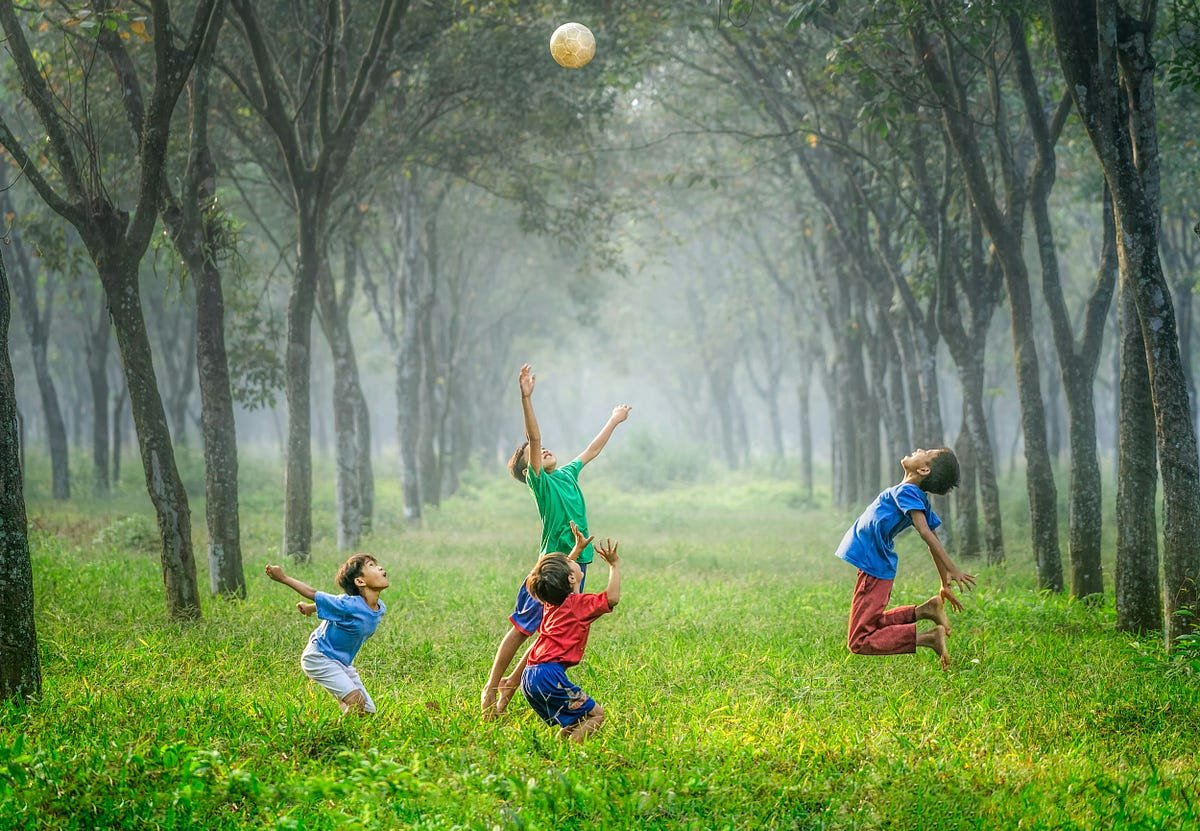
Days after, I remembered what my mom told me about her early years. She was a kid when Mexico City had a lot of green and rural areas. Because my grandparents did not have much money, her weekend plans included picnics, walking and hiking in parks outside the city or playing in water streams and canals.
Growing up in poverty comes with many limitations and issues. But when she tells me about her weekends and that they didn’t need a lot of money to have fun, it makes me think about how much do we really need in life.
Now that I do hiking and kayaking with my family, I do see the satisfaction that comes from simple things like being outdoors and in touch with nature. But it was not always like this, at least not until the pandemic.
The opportunity the pandemic gave me
It was not an easy time. Change can bring uncertainty. Sudden change often bring stress and other feelings difficult to process.
Having to stay at home for an unknown period, plus the risk of getting a virus that had no cure and was killing people or making them seriously ill, was not easy to process and live through.
For people working, things were pretty stressful. Some saw their income going south very quickly. In some cases, disappearing from one day to another. Others, like a friend living in a small apartment with his wife -also working- and two toddlers, had to find a space in his closet, where he could moderately focus his attention during virtual meetings.
As difficult as those moments were, some people were fortunate or skilled enough to find the silver lining and opportunities the pandemic gave us. In my case, it was an opportunity to slow down and stop.
Slowing down to turn things around
The year before the pandemic, I had a period of 11 months in which I traveled for 100+ days. I had about 14 business trips that usually were a week or 2-week long.
Most of them involved transatlantic, transpacific or similar flights. It was not rare to travel more than 24 hours since leaving home till getting to the hotel. I was traveling around the globe leaving the World Bank-dream. At least I thought I was.
Besides my constant trips — my wife had a few of her own—, our pre-pandemic life consisted of keeping up with a hectic schedule.
Weekdays were full days at the office and daycare for my wife, daughter and myself. Just to get home and quickly do dinner, bath and bedtime. A few times I had to connect to late night videocalls with colleagues or clients in East Asia, or wake up early for virtual meetings with the Middle East.
On weekends, the pace was not slower. Birthday parties, playdates, going out with friends who had kids around our daughter’s age. Some times we had three of these activities on the same day. One after another.
To be honest, at that time it didn’t feel exhausting. It felt normal and the way life was supposed to be. Again, it was part of leaving the dream and keeping up with it so there was no chance to “wake up.”
When the pandemic hit, it felt like a shock treatment. But, as my family and I got used to that “new normal,” it opened spaces and places we had barely explored.
Besides eating healthier home-made food, we went outside for walks, picnics and waterplay in creeks or small streams that we discovered with the 2 or 3 small families we decided to have as pandemic pods.
Those outdoor weekends were just like the ones my mom had in her early life. No need for a big budget or agenda beyond enjoying nature and good friends. Things became simple, yet full of satisfaction from a this-is-good-enough sense.
Is it coming back?
Today, the pandemic seems to be something that happened long time ago. For some people, the hectic routines and schedules are back. Some of them really needed this. It is not always pleasant what we experience when we slow down and stop.
In my case, our daughter grew up to the point where she started playing sports. As a foreigner, it has been fascinating to take part of the sports culture in Northern Virginia. It involves community, of course exercise, and healthy level of competition at a young age. But sometimes it can be intense.
I say this because now our week afternoons and weekends involve practices, games, playdates and more. As our calendars start to fill up, my wife and I ask ourselves if we learned something from the pandemic. Despite the busy days, I think we did.
Yes, we get super excited to see how our daughter does well in different sports and activities. Our natural inclination is for her to have more of that. However, at some point we stop and realize that she also needs time to do nothing or simply do what kids her age do.
In those moments of less structure is where she has discovered many hobbies and likes that she wouldn’t have found if she didn’t have the time to slow down, get bored and find new things she could do.
At the same time, I have also created space for things that I enjoy and that build back up my energy and overall wellness. It sounds simple, and it really is once you pass some choices and life changes that can be difficult to make.
Stepping into a new and simple life
I started this article by saying that we demand simplicity from things in life, but questioning whether we offer in return a need to have a simple life.
According to Daniel Lieberman and Michael Long, some people are driven by dopamine, the molecule that keeps us wanting more.
Dopamine or not, we often live in a dynamic in which we work hard to get our goals, but the satisfaction we get from achieving them runs out pretty quickly. Then we start looking for, you name it, more.
Per se, there is nothing wrong with this. It is how many things are created and get done. Some people say this is the engine of progress, whatever we understand progress is. I guess the problem comes when we cannot get out of that cycle.
Neil Pasricha in his book “The Happiness Equation: Want Nothing + Do Anything = Have Everything,” talks about something I have read in other books. The effect of “Keeping up with the Joneses.”
For someone not growing up in the US, I had to learn that this phrase refers to situations when we try to “keep up” with our neighbors’ social status, popularity and wealth. We feel compelled to keep up, because we compare ourselves and decide we are not going to be left behind.
Dopamine-driven people have more because they constantly aim for more. Others want to keep up with them. In the process, we fill our lives with expectations of more things we want to achieve and have. As natural or comprehensible this may be, it adds complexity to our lives. Or to be more precisely to the things that we demand from life.
Interestingly, Pasricha gives us the answer for a simple life in a chapter he titles “The one thing many billionaires want but cannot have.” He cites a story Kurt Vonnegut wrote in The New Yorker when Joseph Heller died.
Both were in a party thrown by a billionaire. Kurt asked Joe what did he feel about their host making more money in one day than his debut novel “Catch 22” earned him in his entire life. The story goes on with Joe saying “I have something he can never have… The knowledge that I’ve got enough.”
Easier said than done, but that my friends, is one of the first steps to start living a simple life. A life in which you demand less to have more.