12 Best Organic Clothing Brands (2026)
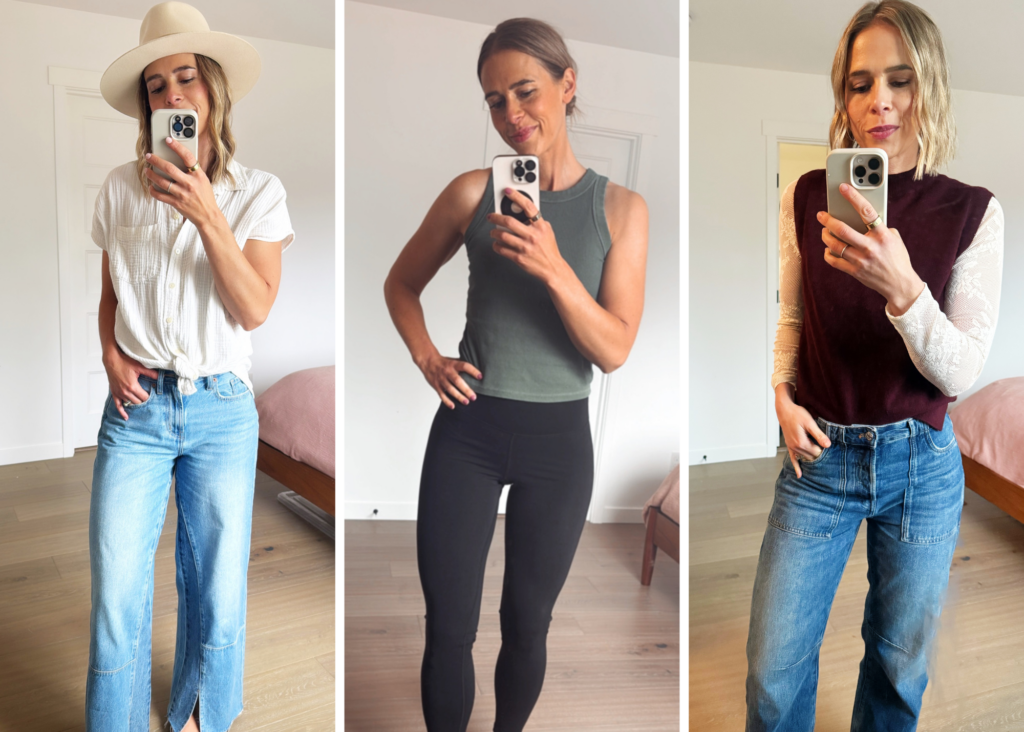
I have found organic clothing options that are total standouts!
You might follow the Clean Fifteen and Dirty Dozen, or maybe you’re the kind of mom who doesn’t let anything non-organic cross the threshold of your kitchen. But have you ever thought about what you’re putting on your body, not just in it?
Wherever you fall on the organic spectrum, there’s always another level to explore. The more I’ve learned about synthetic fibers and how they’re produced, the more intentional I’ve become about choosing organic clothing whenever possible.
In this post, I’m sharing some of the best organic clothing brands so you can shop with confidence and avoid the all-too-common problem of greenwashing. These are brands I own and would purchase again!
Affiliate Disclosure: I do have affiliate links in this blog post. If you purchase something from my link, I will receive a small commission from the sale. This comes at no cost to you, but is paid by the company. I do not take becoming an affiliate with any company lightly. If I am, it’s because I believe in the company and their product.
*Suzi (Gurl Gone Green) is a participant in the Amazon Services LLC Associates Program, an affiliate advertising program designed to provide a means for sites to earn advertising fees by advertising and linking to amazon.com.
Best Organic Clothing Brands
Why choose organic clothing?
Choosing organic clothing over polyester and other synthetic materials may seem unnecessary or out of reach, but today’s brands and options make building a sustainable wardrobe far more affordable and accessible. Building a sustainable wardrobe wasn’t even on my radar until a few years ago. But once I went down the rabbit hole of how conventional clothing is made, I was sold on natural fabrics.
Chemicals commonly found in conventional clothing include:
- Synthetic pesticides
- Herbicides like glyphosate
- Toxic defoliants
Organic clothing reduces chemical exposure, supports sustainable agricultural practices, and feels better against the skin. When pesticides are prohibited, it’s not only better for the soil, but there’s less water pollution and farmers aren’t exposed to harmful chemicals.
Natural fabrics are also softer, breathable, durable, and tend to use lower-toxicity dye processes.
One of the major benefits of organic clothing in my opinion is the reduced exposure to microplastics. This is because organic clothing is usually made from natural fibers rather than petroleum-derived fabrics like polyester.
What To Look For In Organic Clothing Brands
Certifications
A Global Organic Textile Standard (GOTS) certification requires that cotton be grown without synthetic pesticides, herbicides, or GMOs. It also sets a standard for maintaining the health of the soil and how water is used in the growth process.
OEKO-TEX Standard 100 is a form of chemical safety testing that tests the finished product, whereas, GOTS is a guarantee of organic farming, ethical labor, environmental protection, and transparent sourcing.
Materials Used
Natural fibers I like to see in my clothing include:
- Organic cotton
- Hemp
- Linen (flax)
- Organic wool
Organic vs Sustainable vs Ethical Brands
Organic focuses on how fibers are grown, sustainable focuses on the environmental impact of production, and ethical focuses on the treatment of the workers. Here are some certifications that can indicate whether a brand is organic, sustainable, or ethical.
- Organic: GOTS (Global Organic Textile Standard).
- Sustainable: OEKO-TEX, Blue Sign.
- Ethical: Fair Trade, B Corp, SA8000
Examples of gold standard brands that are organic, sustainable, and ethical are:
- Pact
- Mate the Label
- Woolly
- Reprise
- Subset
Greenwashing To Look Out For
When it comes to organic clothing, you need receipts in three categories – organic, sustainable, and ethical for the total package. Some common greenwashing terms to look out for are: eco-friendly, natural, sustainable, green. These terms aren’t necessarily bad as long as they have the proper certification to back them up.
Best Organic Clothing Brands
Quince
Best Fashion Forward Organic Clothing Brand
Luxury natural fabrics without the huge price tag. An easy starting place for a clean wardrobe.
Materials Used
Cashmere, silk, linen, cotton
Certifications
U.S. Green Building Council, OEKO-TEX® Standard 100, GOTS (Global Organic Textile Standard), Organic Content Standard (OCS), BSCI factory audits, WRAP ethical manufacturing, SA8000 social compliance, Bluesign dye mills, ISO environmental standards. This does not mean that all Quince products carry every certificate
Size Range
XS to XL
Favorite Pieces
100% Organic Cotton V Neck Fisherman Sweater and their cashmere products, from their scarves to their gloves- feel so luxe. Men’s clothes, from their 100% organic cotton mesh stitch button up sweater polo to their Performance Stretch Technical Dress Pants.
Review
I love how their pieces feel timeless but don’t break the bank. I have cashmere scarves from them, cashmere gloves, sweaters, pants- it’s all good! My hubs also has pants and button down shirts from them and they look and feel so good. He is a fan! I have to say my favorite pieces I reach for time and time again are their 100% organic cotton sweaters. They feel so good on and are breathable.
Related Content: Quince Review (Worth It?)
Pact
Best Everyday Basics Organic Clothing Brand
The simplest swap for anyone wanting a cleaner wardrobe. Clean basics you actually wear daily.
Materials Used
Mostly organic cotton.
Certifications
Global Organic Textile Standard (GOTS), Fair Trade Certified™ factories, Carbon-neutral / climate programs
Size Range
XS-2XL
Favorite Pieces
Love their organic cotton socks, their cotton everyday organic t-shirts, organic underwear, organic cotton dresses, organic cotton lounge pants, gauze pants, and organic cotton sweaters.
Review
I love how Pact has the everyday basics that you reach for again and again. I have used so many of their products over the last 4 years and find they hold up really well and are well loved.
Related Content: Pact Organic Clothing Review
Mate the Label
Best Luxury Organic Clothing Brand
Clean from the start of the seed to stitch. Made without the harsh dyes or chemicals no one wants on their skin.
Materials Used
Cotton, TENCEL™ Lyocell, linen
Certifications
Global Organic Textile Standard (GOTS), Certified B Corporation (B Corp), Climate Neutral / Climate Label certification.
Size Range
XS to XL
Favorite Pieces
SO many! I was first introduced to their sweatshirts and fell hard for them. From their oversized sweatshirt to their half zip, and shrunken crew neck- you can’t go wrong with any of them! I also love their layering tanks, and t-shirts. They have several different t-shirt options that are great. I have been wearing their cotton crew socks for over a year now too- another winner! I have their biker shorts too.
Review
The softest, cleanest loungewear on the market. Pieces that feel good on your skin and last. My love for Mate the Label runs deep! I discovered them 3 years ago and haven’t looked back. I have a closet full of their clothes that I’ve collected. They are quality pieces. They’ve really started to expand to more everyday wear and not just loungewear and I’m loving it!
Related Content: Mate the Label Review
Reprise
Best Organic Activewear Brand
The cleanest activewear. No plastic, no toxins, no microplastics on your skin.
Materials Used
TENCEL™ Lyocell, Organic cotton
Certifications
OEKO-TEX® Standard 100- their tencel has this certification that they use, Global Organic Textile Standard (GOTS)- the dyes used in their leggings are GOTS certified. Fair Trade Certification- some materials used by Reprise use this certification. WRAP (Worldwide Responsible Accredited Production)- focuses on ethical manufacturing and labor standards in factories.
Size Range
XS to 6XL
Favorite Pieces
Aspen Leggings (Lululemon Align Dupe), Maris Flare Leggings, Selene Zip Up, Biker Shorts, Half Zip Cotton Sweatshirt, tank top- so many options!
Review
Soft, supportive activewear without the plastic, a rarity in the fitness world. I have three pairs of their leggings and LOVE them! Faves. I had tried so many natural leggings and wasn’t impressed until I tried Reprise! Their products are different. The tencel feels buttery soft on your skin and feels like conventional leggings brands. I recommend sizing down. I wear an XS in their leggings and I would normally be a small.
Relate Content: Best Non-Toxic Leggings (Plastic Free!)
Gap
Best Budget Friendly Organic Clothing Brand
While this isn’t a sustainable brand all around, I have been impressed with Gap’s organic cotton picks the last several years. They are the best option when it comes to a budget friendly option.
Materials Used
Organic cotton
Certifications
Washwell- uses 20% less water than traditional methods, Recycled packaging for mailers, supplier sustainability programs- this means that Gap monitors environmental and labor standards in its factories.
Size Range
XXS- XXL
Favorite Pieces
100% organic cotton chambray shirt, Organic cotton vintage soft t-shirt, Organic cotton vintage soft long sleeved t-shirt.
Review
I have been impressed by Gap’s organic cotton options. They have a decent amount of organic cotton basics that you can get for such a steal when they have sales. I love that they’re easy to find too. I like buying organic pieces from them because the more we purchase organic items from them, the more they will see that consumers want organic products.
Hanna Andersson
Best Kids Organic Clothing Brand
Hanna Andersson has been creating high-quality children’s clothing for over 40 years. The brand focuses on organic materials, bright prints, and durable fabrics that hold up to everyday wear and multiple kids.
Materials Used
Organic Cotton, TENCEL™ Lyocell, wool and some recycled polyester.
Certifications
GOTS(Global Organic Textile Standard), OEKO-TEX® Standard 100, Global Recycled Standard (GRS).
Size Range
Newborn-14/16 for kids. They do have some adult sizing on some pajamas and basics.
Favorite Pieces
I’ve long been a fan of their kids organic pajamas! They hold up so well. We’ve passed them down for our four kids and held up great. I also like their organic cotton underwear for toddlers and kids, and their dresses for girls.
Review
I love the basics that Hannah Anderson offers, from their organic pajamas, to their organic kids underwear- it makes shopping for organic kids clothing so much easier. They also are more mainstream so easier to order and find products in stores which is nice for families wanting to make the switch to organic clothing. Their products are great quality and really hold up so well.
Madewell
Denim made better and made to last. Trend-forward but clean-conscious.
Materials Used
Cotton, TENCEL™ / Lyocell, Recycled fibers, wool, cashmere.
Certifications
Does not have one single brand wide certification but it does work with several certifying bodies like Fair Trade Certified™ factories, bluesign®- tracks chemicals and materials used in textile production, Global Recycled Standard(GRS), The Good Cashmere Standard®, U.S. Cotton Trust Protocol (sourcing program).
Size Range
XXS to XXL
Favorite Pieces
I have several pairs of Madewell jeans- they’re so good. I also love their cotton t-shirts, wool sweaters.
Review
I love their jeans! They last, fit well, and have a responsible manufacturing process behind them. They also have a lot of sustainable fabric options like wool, and 100% cotton. I love their jeans! They fit so well and last. They also have great trendy pieces that still feel classic and are made with natural fibers. Love their styles! While a lot of their options might not be 100% organic cotton, they are made with cotton and it’s thoughtfully sourced and made.
Woolly
Merino wool is one of the cleanest fabrics on the planet and Woolly nails it.
Materials Used
Merino Wool
Certifications
Responsible Wool Standard (RWS)- covers animal welfare for sheep, responsible land management and traceability of wool from farm to finished product. OEKO-TEX® Standard 100, Woolmark (quality certification), and BSCI-audited factories (labor standard).
Size Range
XS to XXL
Favorite Pieces
I love their biker shorts, their long sleeve henley, leggings, fleece sweatshirt, V-neck Tee and flex tank. My hubs also loves their underwear.
Review
I love that they carry everyday merino you can wear in any season. Great for travel, workouts, outdoor play with kids, and layering. It feels so good working out in Woolly. I also love wearing it just as activewear throughout the day. It feels slightly elevated and put together, not frumpy.
Related Content: Woolly Brand Review
Subset (formerly Knickey)
Start your clean wardrobe with the pieces closest to your skin.
Materials Used
TENCEL™ Lyocell, organic cotton
Certifications
Global Organic Textile Standard (GOTS), Fair Trade Certified™ factories, OEKO-TEX® Standard 100, FSC (Forest Stewardship Council)
Size Range
XS to 3XL
Favorite Pieces
Their underwear! I love that they have a starter pack. I have their thong, boy short and brief and they’re all great.
Review
Organic cotton underwear that lasts, breathes, and supports a healthier everyday wardrobe. They hold up so well and feel comfy throughout the day.
Related Content: Best Organic Cotton Underwear (For Women)
Everlane
Timeless, well-made pieces you’ll wear for years.
Materials Used
Cotton, Man-made cellulosic fibers (tree-based fabrics) like TENCEL™ Lyocell and TENCEL™ Modal, cashmere, wool, leather, linen and hemp
Certifications
Global Organic Textile Standard (GOTS), Organic Content Standard (OCS), Global Recycled Standard (GRS), Responsible Wool Standard (RWS), Responsible Alpaca Standard (RAS), Good Cashmere Standard (GCS), European Flax® Standard, FSC & PEFC
Size Range
XXS to XXL
Favorite Pieces
Love their barrel sweatpants, sweaters, outerwear, jeans.
Review
They offer minimalist, high-quality pieces that form the backbone of a clean, intentional closet. I love Everlane because it’s classic pieces that you’ll have for years. Every time I buy a piece from them it’s worn and worn!
Organic Basics
These are everyday essentials for any wardrobe.
Materials Used
Organic cotton, TENCEL™ Lyocell, TENCEL™ Modal, LENZING™ ECOVERO™ viscose, Recycled materials
Certifications
Global Organic Textile Standard (GOTS), Global Recycled Standard (GRS), Organic Content Standard (OCS), Responsible Wool Standard (RWS), OEKO-TEX® Standard 100, Certified B Corporation
Size Range
XXS to XXXL
Favorite Pieces
Their t-shirts, tanks, underwear, socks and bras.
Review
Just like their name suggests, they offer great basics. They are more affordable and a great place to start for organic basics.
Use code SUZIXOB10 to save 10%
Boody
A bamboo undergarment/basic clothing brand.
Materials Used
Bamboo
Certifications
OEKO-TEX® Standard 100, FSC® (Forest Stewardship Council), Certified B Corporation (B Corp), PETA-Approved Vegan.
Size Range
XS to XL
Favorite Pieces
Bras
Review
I love that they use bamboo and offer comfy everyday undergarments. Some items I want to try but haven’t are their everyday slip and their half zip- they all look so soft and cozy!
How to Build an Organic, Sustainable Wardrobe Affordably
Just like any other swap, doing everything at once is NOT realistic for most of us. Swapping my closet to organic clothing has been a work in progress for years. Here are a few tips to upgrading your closet:
- Instead of getting rid of everything in your closet, adopt the replace as you go principle. When an item wears out, replace it with a sustainable option. Another option is to start with the pieces you wear most: underwear, tees, leggings, pajamas.
- When it’s time to replace an item, check out thrift stores, consignment boutiques, or online options such as Poshmark, ThredUp, Vinted, eBay, or Depop. If you choose to buy new, do so during a seasonal sale.
- Look for natural and organic fibers such as organic cotton, hemp, linen, wool, Tencel / Lyocell.
- Build a capsule wardrobe with well-constructed, versatile staples in neutral colors. While you don’t have to opt for a natural color palette, it can make mix and matching easier.
Did I miss your favorite organic clothing brand? Share it below!
If you liked this post, check out these past posts: